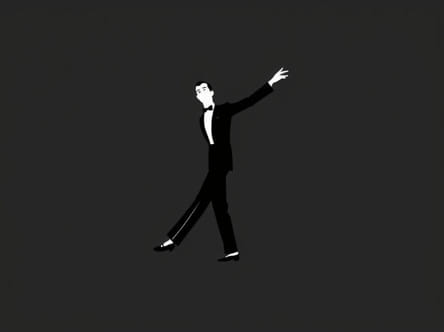
When people talk about timeless American songs, One for My Baby (and One More for the Road) always appears near the top of the list. While the tune has been performed by countless legendary artists, Fred Astaire’s connection to it is particularly fascinating. Known primarily as a dancer, actor, and singer with unmatched elegance, Astaire helped shape the golden era of Hollywood musicals. His rendition of One for My Baby introduced the song to audiences in a unique way, blending his suave performance style with the emotional weight of the ballad. The song’s history, cultural significance, and Astaire’s interpretation all reveal why it continues to capture the hearts of listeners across generations.
The Origins of One for My Baby
Before diving into Fred Astaire’s version, it’s important to understand where the song comes from. Written by Harold Arlen (music) and Johnny Mercer (lyrics) in 1943, One for My Baby (and One More for the Road) first appeared in the movieThe Sky’s the Limit. This film starred Fred Astaire, making him the first to introduce the song to the public. Unlike many of the upbeat numbers he was famous for, this tune carried a sense of melancholy, telling the story of a man confiding in a bartender after a failed romance.
The song quickly stood out for its conversational style and intimate tone. Instead of dramatic flourishes, it unfolded like a quiet confession, making it one of Johnny Mercer’s most personal lyrical works. With Astaire at the helm, the song gained immediate recognition and set the stage for future artists to reinterpret it.
Fred Astaire’s Performance
Astaire’s version of One for My Baby inThe Sky’s the Limitis understated but powerful. Rather than relying on grand vocal theatrics, he delivered the song with simplicity and honesty. This approach matched the song’s mood perfectly. His phrasing felt conversational, as though he really was sitting at a bar, talking to a bartender about his troubles.
What makes Astaire’s interpretation special is the way it blended his natural charm with vulnerability. Known for his sophistication and light-hearted performances, this ballad allowed audiences to see a different side of him. For many viewers, it was striking to watch the world’s most famous dancer step away from tapping across the floor and instead focus on delivering a heartfelt moment of emotional expression.
The Song’s Lyrical Themes
At its core, One for My Baby is about loneliness, regret, and the solace found in sharing one’s feelings with a stranger. The lyrics paint a vivid scene a late-night bar, a weary man, and a conversation that unfolds through song. This relatable image has kept the tune relevant for decades.
The bartender in the song represents more than just someone serving drinks; he becomes a silent companion, listening without judgment. Fred Astaire’s version highlighted the intimacy of this relationship, showing that even the most glamorous figures could understand the weight of heartbreak.
Why the Lyrics Resonate
- They are conversational, making the song feel authentic and personal.
- The imagery of late-night loneliness is universal and timeless.
- The refrain one for my baby, and one more for the road captures the ritual of drinking as a way to cope with sorrow.
- The simplicity of the storytelling allows singers to bring their own emotions into the performance.
Legacy of the Song After Astaire
Although Fred Astaire first introduced One for My Baby, the song grew even more popular through later recordings. Frank Sinatra’s rendition is often considered definitive, showcasing his ability to infuse every note with emotional depth. Other singers such as Billie Holiday, Lena Horne, and Tony Bennett also left their marks on the tune, each bringing unique qualities to its interpretation.
Yet, without Astaire’s initial performance, the song might not have gained the same recognition. He paved the way by framing it in a cinematic context, ensuring audiences associated the tune with a moment of vulnerability in an otherwise glamorous film world. In that sense, Astaire’s role in shaping the song’s legacy cannot be overlooked.
The Importance of One for My Baby in Astaire’s Career
For Fred Astaire, this song marked a departure from the kind of numbers he was most famous for. He was often associated with upbeat dance duets alongside partners like Ginger Rogers, where rhythm and movement were at the center. With One for My Baby, he slowed down, showing that he was not only a dancer but also a capable interpreter of emotional ballads.
This versatility added depth to his career. By taking on such material, Astaire demonstrated that his talents extended beyond physical performance to include vocal storytelling. Fans who saw him primarily as a dancer gained a new appreciation for his artistry as a singer.
Cultural Impact of One for My Baby
The song itself has become part of American cultural identity. Its themes of heartbreak and resilience resonate with anyone who has experienced loss or loneliness. In bars, jazz clubs, and concert halls, it continues to be performed as a classic torch song. Fred Astaire’s introduction of the number connected Hollywood glamour with the gritty, emotional world of torch ballads, making it accessible to a wide audience.
Moreover, the song’s setting late at night in a bar became a familiar trope in American music and cinema. Countless films and songs have echoed this imagery, proving how influential Mercer and Arlen’s creation has been. Astaire’s original performance helped solidify this archetype in popular culture.
Why the Song Still Matters Today
Decades after its debut, One for My Baby continues to be relevant. Modern listeners still connect with its themes of heartbreak and the search for comfort. In an era where loneliness and isolation are common experiences, the song feels just as relatable as it did in the 1940s. Its conversational tone makes it timeless, and Fred Astaire’s version reminds us of the power of vulnerability in art.
Even in today’s digital landscape, where music is streamed and shared globally, people still seek songs that reflect personal emotions. One for My Baby remains a go-to ballad for those moments, showing the lasting power of a simple story told with sincerity.
Fred Astaire’s performance of One for My Baby (and One More for the Road) marked an important moment in both his career and the history of American music. By introducing the song inThe Sky’s the Limit, he gave audiences a glimpse of his artistry beyond dancing, proving that he could carry the weight of a heartfelt ballad. The song itself, with its timeless lyrics and poignant melody, has become a cultural touchstone, interpreted by countless artists but forever tied to Astaire’s original delivery. More than just a tune about heartbreak, it stands as a reminder that music has the power to connect deeply with human emotions, offering solace, understanding, and beauty even in life’s most difficult moments.