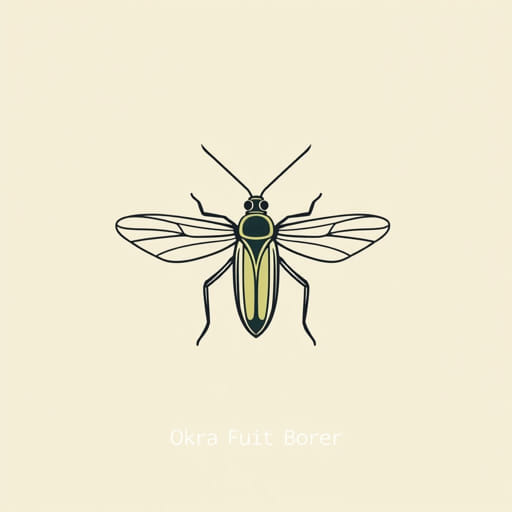
The cultivation of okra, also known as lady’s finger, is an important agricultural activity in many parts of the world due to its nutritional value and economic significance. However, okra crops are often threatened by various pests, one of the most destructive being the okra fruit borer. Understanding the okra fruit borer, including its scientific name, life cycle, and impact on crops, is crucial for farmers and agricultural researchers aiming to protect their yields. This insect can cause significant damage to the pods, flowers, and leaves of okra plants, leading to reduced productivity and economic loss. Proper identification and knowledge about this pest are essential for implementing effective pest management strategies.
Scientific Name and Classification
The okra fruit borer is scientifically known asEtiella zinckenella. It belongs to the order Lepidoptera, which includes moths and butterflies, and the family Pyralidae, which is composed of many species of snout moths. The genusEtiellacomprises several species that are considered pests of leguminous and vegetable crops, butEtiella zinckenellais particularly notorious for targeting okra plants. The scientific classification helps researchers communicate clearly about this pest, study its biology, and develop targeted control measures.
Taxonomic Hierarchy
- Kingdom Animalia
- Phylum Arthropoda
- Class Insecta
- Order Lepidoptera
- Family Pyralidae
- Genus Etiella
- SpeciesEtiella zinckenella
Physical Characteristics
The okra fruit borer is a small moth with a wingspan ranging from 18 to 25 millimeters. The forewings are typically light brown or grayish with subtle patterns that help camouflage the insect in its environment. The hindwings are paler with a slightly fringed edge. Adult moths are mostly active during the evening and night. The larvae, which are the main damaging stage, are cream-colored caterpillars with a brown head capsule. They are usually 15 to 20 millimeters long when fully grown and are highly mobile as they bore into okra pods and flowers.
Life Cycle of the Okra Fruit Borer
The life cycle ofEtiella zinckenellaincludes four stages egg, larva, pupa, and adult. Each stage has specific behaviors that contribute to the pest’s ability to damage okra crops.
- EggFemale moths lay eggs on flowers, young pods, or tender leaves. The eggs are small, oval, and whitish in color.
- LarvaAfter hatching, the larvae bore into pods and feed on the seeds and inner tissue. This stage is the most destructive, causing holes in pods and premature pod drop.
- PupaThe larvae leave the pods and pupate in soil, leaf litter, or protected areas on the plant. The pupal stage lasts about one to two weeks depending on temperature and humidity.
- AdultAdult moths emerge from pupae, mate, and lay eggs to start the next generation. Adults are capable of flying short distances to find new host plants.
Damage Caused by the Okra Fruit Borer
The okra fruit borer primarily damages pods but can also affect flowers and leaves. The larvae bore into pods, consuming seeds and causing internal rot, which reduces the marketable quality of the vegetable. Infested pods often show exit holes, darkened tissue, and a characteristic frass (insect waste) inside the pod. Heavy infestations can lead to significant yield losses, sometimes exceeding 50% if not managed properly. In addition, the boring activity can make pods more susceptible to secondary infections by fungi and bacteria, further worsening crop damage.
Symptoms of Infestation
- Holes in okra pods and flowers
- Premature pod drop
- Presence of frass inside pods
- Discolored or rotten seed tissue
- Reduced overall plant vigor
Management and Control Strategies
Effective management of the okra fruit borer involves a combination of cultural, biological, and chemical strategies. Early detection and intervention are key to minimizing losses.
Cultural Control
- Regularly monitor plants for eggs and larvae.
- Remove and destroy infested pods to prevent larvae from reaching the pupal stage.
- Practice crop rotation to reduce pest build-up in the soil.
- Maintain proper spacing between plants to improve air circulation and reduce pest habitat.
Biological Control
- Introduce natural predators like Trichogramma wasps, which parasitize eggs of the okra fruit borer.
- Encourage birds and predatory insects that feed on larvae.
- Use microbial pesticides containing Bacillus thuringiensis (Bt) to target larvae without harming beneficial insects.
Chemical Control
In severe infestations, insecticides may be necessary. Chemical control should be used judiciously and according to recommended guidelines to avoid resistance and protect beneficial organisms. Spraying should target early larval stages when they are most vulnerable before they bore into pods.
The okra fruit borer, scientifically known asEtiella zinckenella, is a major pest affecting okra cultivation worldwide. Understanding its scientific classification, life cycle, and damage symptoms is essential for effective pest management. By combining cultural, biological, and chemical control methods, farmers can reduce infestations and protect their okra yields. Awareness of this pest and timely intervention can prevent significant economic losses, ensuring that okra remains a valuable and productive crop.