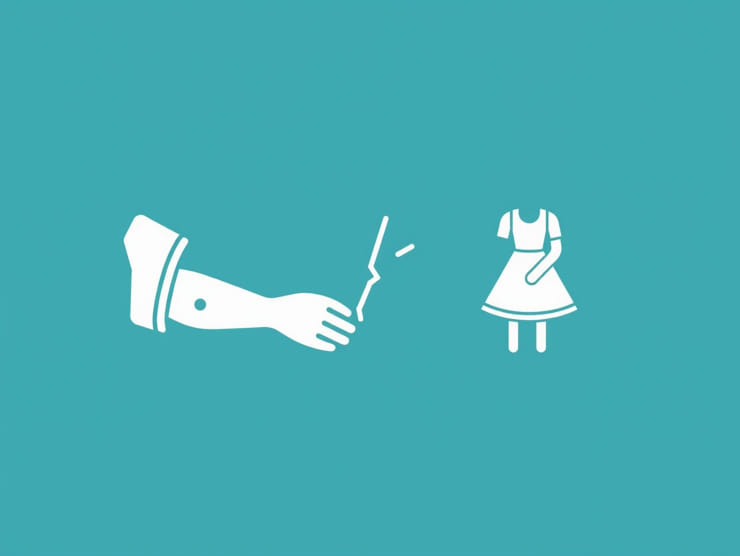
Injuries to the arm in young children can be distressing for both the child and the caregiver. Two common conditions that may present with similar symptoms but require very different treatments are nursemaid’s elbow and fractures. Nursemaid’s elbow, also called radial head subluxation, is a frequent cause of sudden arm pain and limited movement in toddlers, whereas fractures involve a break in the bone and often need more extensive medical management. Understanding the differences between nursemaid’s elbow and fractures is crucial for proper diagnosis, treatment, and prevention of complications.
What is Nursemaid’s Elbow?
Nursemaid’s elbow is a partial dislocation or subluxation of the radial head at the elbow joint. It commonly occurs in young children between 1 and 4 years old due to their ligamentous structures being more flexible and prone to slipping. This injury often results from a sudden pulling or tugging of the extended arm, such as when an adult pulls a child’s hand to prevent a fall.
Causes and Mechanism
The injury occurs when the annular ligament, which holds the radial head in place, slips off the bone and becomes trapped between the radial head and the capitellum of the humerus. This leads to pain and a refusal to use the arm.
Signs and Symptoms of Nursemaid’s Elbow
- The child suddenly stops using the affected arm
- Refusal to bend or straighten the elbow
- Arm held slightly bent and close to the body
- Mild swelling but no obvious deformity
- Usually no bruising or intense pain once the initial injury occurs
What is a Fracture?
A fracture is a break in the bone, which can range from a small crack to a complete break. In children, fractures around the elbow are common due to falls or direct trauma. Unlike nursemaid’s elbow, fractures often result from a forceful impact or injury rather than a simple pull.
Types of Elbow Fractures in Children
- Supracondylar fractureBreak just above the elbow joint; most common in children.
- Radial head fractureInvolves the top of the radius bone near the elbow.
- Medial or lateral epicondyle fracturesInvolve the bony prominences on the sides of the elbow.
Signs and Symptoms of a Fracture
- Severe pain at the injury site
- Swelling and bruising around the elbow
- Visible deformity or abnormal angle of the arm
- Inability to move the elbow or arm
- Possible numbness or tingling if nerves are affected
- Sometimes an audible snap or pop at the time of injury
Differences Between Nursemaid’s Elbow and Fracture
Mechanism of Injury
- Nursemaid’s ElbowTypically caused by a sudden pull on an extended arm.
- FractureUsually caused by a fall, direct blow, or trauma to the elbow.
Symptoms
- Nursemaid’s ElbowChild refuses to use the arm but may have minimal pain and no swelling or deformity.
- FractureSevere pain, swelling, bruising, and often visible deformity.
Physical Examination
- Nursemaid’s ElbowArm held in slight flexion and pronation; no tenderness on bone palpation.
- FractureTenderness over the fracture site, possible crepitus, and limited range of motion due to pain.
Imaging
- Nursemaid’s ElbowUsually diagnosed clinically; X-rays typically normal.
- FractureX-rays show the location and extent of the bone break.
Treatment of Nursemaid’s Elbow
Reduction of nursemaid’s elbow is a simple, quick procedure performed by healthcare professionals. It involves gently manipulating the arm to slip the annular ligament back into place, often resulting in immediate pain relief and return of function.
After successful reduction, children typically begin using the arm normally within minutes to hours. No long-term restrictions are usually needed, though caregivers should avoid pulling or lifting the child by the hands or arms to prevent recurrence.
Treatment of Elbow Fractures
Treatment depends on the type and severity of the fracture
- ImmobilizationCasting or splinting to keep the bone in position while it heals.
- SurgeryRequired in cases where the bone is displaced or unstable, using pins, plates, or screws.
- Physical therapyAfter immobilization, therapy helps restore strength and range of motion.
Complications and Prognosis
Nursemaid’s elbow generally has an excellent prognosis with proper reduction and minimal risk of complications. However, recurrent subluxations can occur if the child continues to be pulled by the arm.
Elbow fractures may have complications such as stiffness, nerve injury, or improper bone healing if not treated adequately. Early diagnosis and management are key to good outcomes.
Prevention Tips
- Avoid pulling or swinging children by their arms or hands.
- Supervise children during play to prevent falls and injuries.
- Educate caregivers on safe handling of young children.
- Encourage protective gear during sports activities.
When to Seek Medical Help
If a child suddenly refuses to use their arm after a pull or fall, immediate evaluation is important. Nursemaid’s elbow requires prompt reduction to relieve pain, while fractures need imaging and specialized treatment. Persistent pain, swelling, or deformity should always prompt urgent medical attention.
Understanding the differences between nursemaid’s elbow and fractures is essential for parents, caregivers, and healthcare providers. While nursemaid’s elbow is a common and easily treated condition caused by subluxation of the radial head, fractures involve bone breaks that require careful diagnosis and management. Recognizing the signs and symptoms of each condition ensures timely and appropriate care, reducing the risk of complications and promoting full recovery in children.