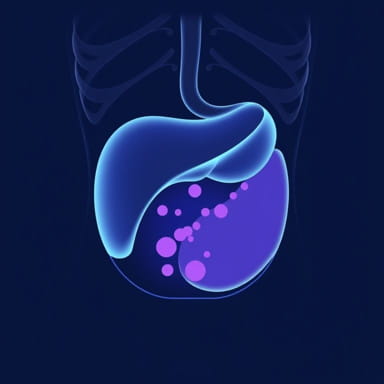
The peritoneal cavity is a potential space within the abdomen that houses various organs, including the stomach, liver, intestines, and spleen. It is lined by a thin, serous membrane called the peritoneum, which produces a small amount of fluid to lubricate the organs and facilitate their smooth movement. Understanding the normal amount of fluid in the peritoneal cavity is essential for medical professionals, as deviations from this standard can indicate underlying health conditions. Fluid assessment in this area plays a critical role in diagnosing diseases, planning surgical procedures, and monitoring patient health.
Overview of Peritoneal Fluid
Peritoneal fluid, sometimes referred to as peritoneal or intraperitoneal fluid, is a clear, pale yellow liquid that normally exists in minimal amounts within the abdominal cavity. It serves multiple functions, including lubricating abdominal organs to prevent friction, transporting nutrients and waste products, and providing a medium for immune cells to respond to infection or inflammation. Typically, the volume of peritoneal fluid in a healthy adult ranges from 50 to 100 milliliters, although slight variations can occur based on age, hydration status, and individual anatomy.
Composition of Normal Peritoneal Fluid
Normal peritoneal fluid contains a combination of water, electrolytes, small amounts of protein, and immune cells. Its composition is finely balanced to support organ function and maintain homeostasis. The fluid is generally low in cellular content and protein, distinguishing it from pathological fluid accumulations, which may be rich in inflammatory cells, bacteria, or malignant cells.
- WaterThe primary component, facilitating organ lubrication and movement.
- ElectrolytesSodium, potassium, and chloride ions help maintain osmotic balance.
- ProteinsMinimal protein levels aid in fluid balance and immune defense.
- Immune cellsOccasional macrophages and lymphocytes patrol the cavity for pathogens.
Functions of Peritoneal Fluid
Peritoneal fluid plays a vital role in maintaining abdominal health. Its primary functions include
Lubrication
By reducing friction between abdominal organs, the fluid allows smooth and pain-free movements during digestion, breathing, and physical activity. This is essential for normal organ function and overall comfort.
Nutrient Transport
Although limited, the fluid can assist in the diffusion of nutrients and waste products between tissues, contributing to the metabolic support of abdominal organs.
Immune Defense
The presence of immune cells in the peritoneal fluid allows the cavity to respond to infections, inflammation, or injury. These cells help identify and neutralize pathogens before they can cause significant damage.
Diagnostic Indicator
While normal fluid is minimal, any significant increase in volume may indicate pathological conditions. Analysis of peritoneal fluid can reveal infections, bleeding, or malignancies, making it a valuable diagnostic tool for clinicians.
Factors Affecting Normal Peritoneal Fluid Volume
Several physiological and external factors can influence the amount of fluid present in the peritoneal cavity. Understanding these factors is crucial for accurate medical assessment
- AgeFluid production may slightly vary between neonates, adults, and elderly individuals.
- Hydration StatusDehydration or overhydration can affect the fluid volume.
- Hormonal InfluenceCertain hormones regulate fluid balance and may slightly modify peritoneal fluid levels.
- Physical ActivityExercise and body movements can temporarily alter fluid distribution within the abdominal cavity.
Methods of Assessing Peritoneal Fluid
Healthcare professionals use various methods to evaluate the volume and composition of peritoneal fluid. These assessments are essential when fluid accumulation is suspected or when monitoring underlying conditions.
Imaging Techniques
Ultrasound, computed tomography (CT), and magnetic resonance imaging (MRI) are commonly used to visualize the peritoneal cavity. Ultrasound is particularly useful for detecting small fluid collections, guiding further diagnostic or therapeutic procedures.
Paracentesis
Paracentesis involves the insertion of a needle into the peritoneal cavity to obtain fluid samples. While typically used when fluid accumulation is present, it can provide detailed information about the fluid’s characteristics, including protein levels, cell count, and potential infection.
Laboratory Analysis
Fluid obtained through paracentesis can be analyzed for cytology, microbiology, and chemistry. This helps distinguish normal fluid from pathological effusions such as those caused by liver disease, heart failure, infection, or cancer.
Clinical Significance of Abnormal Fluid Levels
An abnormal increase or decrease in peritoneal fluid volume can indicate various medical conditions. Understanding normal fluid ranges allows clinicians to interpret findings accurately and initiate appropriate treatment.
Ascites
Excess fluid accumulation in the peritoneal cavity is known as ascites. Common causes include liver cirrhosis, congestive heart failure, kidney disease, and malignancies. Ascitic fluid analysis helps determine the underlying cause, guiding treatment and management.
Peritonitis
Infections of the peritoneal cavity, such as bacterial peritonitis, can lead to increased fluid volume with elevated immune cell counts. Prompt recognition and treatment are essential to prevent complications like sepsis.
Hemoperitoneum
Bleeding into the peritoneal cavity, often due to trauma or ruptured organs, results in abnormal fluid accumulation. Timely diagnosis is crucial to prevent shock and other life-threatening outcomes.
Maintaining Healthy Peritoneal Fluid Balance
Maintaining a normal amount of peritoneal fluid involves overall health and proper function of organ systems. Hydration, nutrition, liver and kidney health, and regular medical checkups contribute to maintaining this delicate balance. Early detection of fluid imbalance can prevent serious complications and improve patient outcomes.
The normal amount of fluid in the peritoneal cavity is a small but crucial component of abdominal health, typically ranging from 50 to 100 milliliters in adults. This fluid supports organ lubrication, immune defense, and nutrient transport while serving as an important diagnostic indicator when abnormalities arise. Medical professionals rely on imaging, laboratory analysis, and clinical observation to assess fluid volume and composition, allowing early identification of conditions such as ascites, peritonitis, and hemoperitoneum. By understanding the functions and normal parameters of peritoneal fluid, both clinicians and patients can appreciate its role in maintaining abdominal and overall health, ensuring timely interventions when deviations occur.