The Netherlands Bach Society is renowned for its dedication to performing and preserving the works of Johann Sebastian Bach, and their rendition of The Art of Fugue” exemplifies their exceptional artistry and musical scholarship. This monumental work, known in German as “Die Kunst der Fuge,” represents one of Bach’s most complex and intellectually rigorous compositions. The society’s interpretation brings a fresh perspective to this intricate series of fugues, offering audiences an immersive experience in the structural brilliance and emotional depth of Bach’s music. Through careful attention to historical performance practice and expressive nuance, the Netherlands Bach Society manages to make this sophisticated work accessible and engaging, highlighting why Bach’s influence continues to resonate centuries after his lifetime.
The Historical Context of The Art of Fugue
“The Art of Fugue,” BWV 1080, was composed during the final decade of Bach’s life and stands as a testament to his mastery of counterpoint. Unlike many of Bach’s other works, this collection of fugues and canons was not assigned to any specific instrument, allowing performers flexibility in interpretation. The Netherlands Bach Society approaches the piece with both historical insight and creative imagination, often performing it using period instruments or in arrangements that honor the intricate voice leading and thematic development Bach intended. Understanding the historical context is crucial for appreciating the intellectual rigor and expressive power embedded in the work.
Structure and Composition
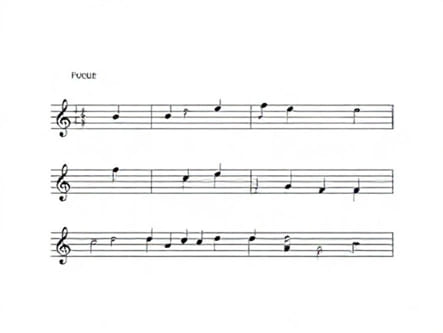
The Art of Fugue is comprised of fourteen fugues and four canons, each exploring different contrapuntal techniques. Bach develops a single theme throughout the work, manipulating it in increasingly complex ways. The Netherlands Bach Society highlights the clarity and coherence of this thematic development, ensuring that each voice remains distinct while contributing to the larger harmonic and contrapuntal texture. Their interpretation emphasizes the dynamic interplay between voices, showcasing the ingenuity of Bach’s compositional approach and the enduring beauty of his musical language.
Performance Approach of the Netherlands Bach Society
The Netherlands Bach Society is committed to historically informed performance, employing instruments and techniques that reflect the musical environment of Bach’s time. Their rendition of The Art of Fugue often involves careful attention to articulation, phrasing, and tempo, ensuring that the intricate counterpoint remains clear and expressive. The society also embraces flexibility, exploring different textures and instrumentations to highlight the work’s polyphonic richness. This approach allows audiences to experience The Art of Fugue not merely as an academic exercise, but as a living, breathing musical narrative full of emotion and tension.
Artistic Interpretation
While the composition is renowned for its technical complexity, the Netherlands Bach Society infuses the performance with interpretive depth, bringing out the dramatic and emotional qualities of each fugue. Through subtle shifts in dynamics, careful attention to voice leading, and expressive timing, the performers create a sense of conversation between the voices. This nuanced interpretation enables listeners to engage with the music on both an intellectual and emotional level, appreciating the brilliance of Bach’s contrapuntal techniques alongside the expressive power of the music.
Critical Reception
The Netherlands Bach Society’s performances of The Art of Fugue have been met with acclaim from critics and audiences alike. Reviewers often highlight the clarity of the counterpoint, the sensitivity of phrasing, and the emotional resonance of the performances. Their ability to balance scholarly rigor with artistic expression has established the society as a leading authority on Bach performance. These performances also serve as an entry point for new listeners, demonstrating that even the most complex works of classical music can be experienced as profoundly moving and accessible.
Impact on Audience and Music Education
The society’s rendition of The Art of Fugue not only entertains but also educates, offering insights into Baroque composition and counterpoint. Their performances often include lectures, program notes, and educational outreach, helping audiences understand the historical and theoretical context of the work. This educational dimension strengthens the appreciation of Bach’s music and inspires both musicians and listeners to explore the richness of classical music further. By combining performance with pedagogy, the Netherlands Bach Society ensures that The Art of Fugue remains a relevant and influential work in contemporary music culture.
Legacy and Influence
The Netherlands Bach Society has played a pivotal role in sustaining the legacy of Bach’s music, particularly through their interpretations of complex works like The Art of Fugue. Their dedication to historically informed performance, combined with innovative interpretation, has influenced generations of musicians and scholars. By maintaining a balance between authenticity and creativity, the society demonstrates how timeless music can be continually rediscovered and appreciated. Their work ensures that The Art of Fugue continues to inspire, challenge, and move audiences around the world.
The Netherlands Bach Society’s interpretation of The Art of Fugue is a remarkable achievement in the world of classical music. Through their expertise, historical insight, and expressive performance, they bring Bach’s intricate contrapuntal work to life in a way that is both intellectually stimulating and emotionally compelling. Audiences experience the beauty, complexity, and timelessness of Bach’s music, guided by performers who honor the composer’s legacy while offering fresh interpretive perspectives. The society’s dedication to excellence, education, and artistry ensures that The Art of Fugue remains a cornerstone of classical music performance and appreciation.