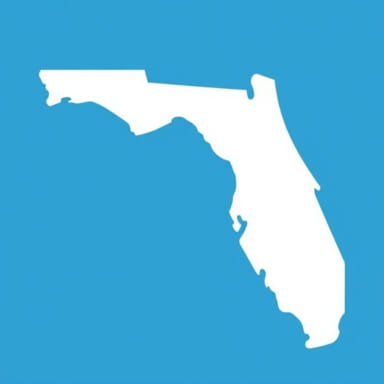
Florida is a name that many people around the world recognize, often associated with sunshine, beaches, theme parks, and retirees. But beyond its popularity as a vacation destination, many may wonder is Florida a state? The answer is yes Florida is one of the 50 states that make up the United States of America. Located in the southeastern region of the country, Florida plays a significant role in U.S. history, politics, culture, and economy. To understand Florida’s status, identity, and role within the U.S., it’s helpful to explore its geography, history, government structure, and national significance in detail.
Geographical Placement of Florida
Where Is Florida Located?
Florida is located in the southeastern corner of the United States, bordered by the Gulf of Mexico to the west, the Atlantic Ocean to the east, Georgia and Alabama to the north, and the Straits of Florida to the south. This unique position gives the state a tropical and subtropical climate, contributing to its nickname, The Sunshine State.
Major Cities and Regions
Florida is a large state with diverse regions, including
- Miami– Known for its international culture, nightlife, and business hubs.
- Orlando– Famous for theme parks like Walt Disney World and Universal Studios.
- Tampa– A growing metropolitan area on the Gulf Coast.
- Jacksonville– The largest city by area in the continental U.S.
- Key West– A tropical island city at the southern tip of the state.
Historical Background
From Territory to Statehood
Florida became part of the United States in the early 19th century. Originally inhabited by Native American tribes such as the Seminole, the area was later colonized by Spain and then briefly by Britain. The United States acquired Florida from Spain through the Adams-Onís Treaty in 1819. It became an official U.S. territory in 1821 and was admitted as the 27th state on March 3, 1845.
Role in American History
Throughout its history, Florida has played a role in major American events, including the Civil War, the civil rights movement, and numerous national elections. Its geographic location made it a strategic point during military conflicts, and its cultural diversity has made it an important part of America’s evolving social fabric.
Florida’s Political and Legal Status
Equal Standing as a U.S. State
As a member of the United States, Florida holds equal legal and political status with the other 49 states. It has its own constitution, laws, and government, which function under the broader framework of the U.S. Constitution. Like every other state, Florida elects two senators to the U.S. Senate and has representation in the U.S. House of Representatives based on its population.
State Government Structure
Florida’s government mirrors the federal system with three branches
- Executive– Headed by the Governor of Florida, currently elected by residents of the state.
- Legislative– Composed of the Florida Senate and House of Representatives.
- Judicial– Led by the Florida Supreme Court and lower state courts.
Florida’s Economic Importance
Diverse Economy
Florida has a robust and diverse economy driven by several key sectors
- Tourism– Attractions like beaches, resorts, and theme parks make tourism one of the state’s top industries.
- Agriculture– Florida is one of the nation’s leading producers of citrus fruits, especially oranges.
- Aerospace and Aviation– Home to NASA’s Kennedy Space Center, Florida plays a vital role in space exploration.
- International Trade– With several major ports and airports, Florida serves as a gateway to Latin America and the Caribbean.
Employment and Education
Florida’s labor market is expansive, offering employment in sectors such as healthcare, education, construction, finance, and technology. The state is also home to major universities like the University of Florida, Florida State University, and the University of Miami, which contribute to both research and workforce development.
Cultural Identity and Demographics
Diverse Population
Florida’s population is one of the most diverse in the United States. It includes a mix of Hispanic, African American, White, Caribbean, and immigrant communities. This diversity influences everything from cuisine to music, festivals, and language. Spanish is widely spoken, especially in South Florida, due to the large Cuban and Latin American populations.
A Blend of Traditions
Florida’s culture is a blend of Southern American, Latin American, Caribbean, and international influences. Cities like Miami reflect a global culture, while the Panhandle region shares cultural similarities with the Deep South. This blend makes Florida unique among U.S. states.
Climate and Natural Environment
Subtropical to Tropical Climate
Florida’s climate varies from subtropical in the north to tropical in the south. Winters are generally mild, making it a popular destination for snowbirds people who move south to escape colder northern weather. However, the state is also known for its hurricane season, which lasts from June to November.
Natural Attractions
Florida is home to a wide range of ecosystems, including
- Everglades National Park– A unique wetland ecosystem with alligators, manatees, and rare birds.
- Beaches– Both Atlantic and Gulf Coast beaches are famous for their white sand and clear water.
- Springs and Lakes– Florida has one of the largest collections of natural springs in the world.
Florida in National and Global Context
Electoral Influence
Florida is considered a key battleground state in U.S. presidential elections. Its 29 electoral votes (as of recent counts) make it highly influential in determining national outcomes. Because of this, it receives significant attention from political campaigns and media during election years.
International Recognition
Thanks to its climate, culture, and attractions, Florida is well-known around the world. It attracts millions of international tourists each year and serves as a hub for global commerce and diplomacy. Cities like Miami and Orlando have global reputations in business, entertainment, and tourism.
Yes, Florida is indeed a state one of the most prominent and dynamic states in the United States. With its unique location, cultural diversity, economic power, and historical depth, Florida contributes significantly to the national fabric of America. Understanding Florida’s role within the United States means recognizing not only its official political status but also its vibrant identity as a cultural, economic, and geographic powerhouse. Whether you’re considering a visit, researching U.S. states, or simply curious about the region, Florida stands out as a remarkable example of what makes a U.S. state both distinctive and vital.