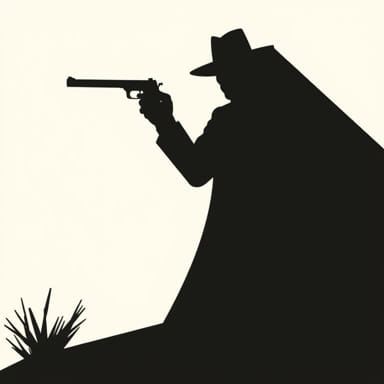
When discussing classic Western films, Sergio Leone’s A Fistful of Dollars often comes up as a groundbreaking piece that reshaped the genre. Released in 1964, this film introduced audiences to the gritty, morally complex style known as the Spaghetti Western. Starring Clint Eastwood as the mysterious gunslinger, the film became a cultural phenomenon and a template for many Westerns to follow. Over the years, fans have frequently debated whether A Fistful of Dollars is a sequel, prequel, or a standalone story, particularly because of its connections to other Leone films that feature similar themes and characters. Understanding its position in cinematic history helps clarify this common question.
The Origins of A Fistful of Dollars
A Fistful of Dollars was directed by Sergio Leone and marked the first film in what would become known as the Dollars Trilogy, also referred to as the Man with No Name Trilogy. The movie is largely based on Akira Kurosawa’s 1961 Japanese film Yojimbo, which tells the story of a wandering samurai who manipulates two rival factions to his advantage. Leone adapted this narrative to a Western setting, replacing samurai with gunslingers and Japanese villages with dusty border towns. Clint Eastwood’s portrayal of the nameless protagonist helped cement his status as a Western icon.
Plot Overview
The film follows a lone stranger, the Man with No Name, who arrives in a town torn apart by two feuding families. Using cunning, skill, and a fair amount of ruthlessness, he manipulates both sides to achieve his own goals. Unlike traditional Western heroes, this character operates in shades of gray, blending self-interest with occasional acts of justice. The story focuses on personal survival, revenge, and strategic manipulation rather than conventional law enforcement or heroic archetypes, which contributed to the film’s unique tone and enduring appeal.
Is A Fistful of Dollars a Sequel?
One of the most common questions among movie fans is whether A Fistful of Dollars is a sequel. The short answer is no it is not a sequel. Despite being the first installment in the Dollars Trilogy, the film does not continue a story from a previous movie. Instead, it serves as a standalone narrative that introduces the archetype of the Man with No Name, who would reappear in subsequent films. Its popularity inspired Leone to continue the series, but each film in the trilogy tells a separate story, featuring the same iconic character in different circumstances rather than continuing a linear plot.
The Dollars Trilogy
The Dollars Trilogy consists of three filmsA Fistful of Dollars(1964),For a Few Dollars More(1965), andThe Good, the Bad and the Ugly(1966). While these movies are linked by Clint Eastwood’s character and Leone’s distinctive directorial style, each film features a self-contained plot. There are no direct storylines or character arcs that require viewing the first movie to understand the second or third. This episodic approach allows each film to explore different themes, conflicts, and settings, while maintaining the central figure of the Man with No Name as a connecting thread.
Influence of Yojimbo
The notion that A Fistful of Dollars might be a sequel arises partly from its connection to Kurosawa’s Yojimbo. Leone essentially remade Yojimbo in a Western context, which led to legal disputes over the originality of the story. However, A Fistful of Dollars stands on its own as an adaptation rather than a continuation of a series. Unlike sequels that require familiarity with previous narratives, audiences can watch this film independently and still understand the plot, characters, and stakes without prior knowledge of any other movie.
Standalone Storytelling
Leone’s approach to storytelling emphasizes atmosphere, tension, and character rather than interconnected plots. The Man with No Name is deliberately enigmatic, allowing viewers to project their interpretations onto him. This technique contributes to the perception that each movie could function independently. For instance, while For a Few Dollars More and The Good, the Bad and the Ugly feature the same character archetype, they do not rely on events from A Fistful of Dollars to make sense, reinforcing its status as a standalone film.
Impact on Western Genre
A Fistful of Dollars revolutionized the Western genre by introducing anti-heroes, moral ambiguity, and stylized violence. Traditional American Westerns often portrayed clear-cut heroes and villains, but Leone’s film blurred these lines. The success of the movie influenced countless filmmakers and helped popularize the Spaghetti Western movement. The film’s approach to sequels was unconventional it encouraged thematic continuity and character consistency without requiring narrative dependence, demonstrating that sequels can exist as spiritual rather than direct continuations.
Character Archetypes and Recurring Themes
- The Man with No Name A mysterious, skilled gunslinger whose motivations are partly self-serving.
- Moral Ambiguity Characters operate in gray areas, making choices that balance survival and personal justice.
- Rival Factions Central conflicts often involve competing groups or families, which the protagonist exploits.
- Stylized Violence and Cinematography Leone’s signature close-ups, extreme wide shots, and musical scoring enhance tension and drama.
Sequels vs. Spiritual Successors
It is important to distinguish between a traditional sequel and what A Fistful of Dollars inspired in the context of the Dollars Trilogy. While the films share a central character, they do not constitute sequels in the conventional sense. Each movie can be enjoyed independently, yet watching all three enhances appreciation for Leone’s stylistic choices and the recurring archetype. The term spiritual successor applies well here, as the trilogy maintains thematic continuity without relying on sequential storytelling.
Reception and Legacy
Upon its release, A Fistful of Dollars received mixed reviews in the United States but was celebrated in Europe for its fresh take on the Western. Over time, it has gained recognition as a classic, often cited for its innovative approach, iconic musical score by Ennio Morricone, and Clint Eastwood’s performance. Its influence extends beyond cinema, shaping video games, literature, and other media that adopt similar anti-hero and moral ambiguity themes. The film’s success paved the way for Leone’s continued exploration of the Man with No Name in subsequent, standalone films.
A Fistful of Dollars is not a sequel but a standalone film that launched the Dollars Trilogy. Sergio Leone adapted the story from Kurosawa’s Yojimbo, placing it in a Western setting and introducing Clint Eastwood as the enigmatic Man with No Name. Its plot is self-contained, and audiences do not need prior knowledge of other films to understand it. The subsequent films in the trilogy, while featuring the same character archetype, tell separate stories, making them spiritual successors rather than direct sequels. The movie’s impact on the Western genre, character archetypes, and cinematic storytelling remains profound, influencing generations of filmmakers and audiences.
Understanding this distinction helps clarify the film’s position in cinematic history. A Fistful of Dollars stands as a milestone in the evolution of Westerns, blending tension, style, and anti-hero storytelling in a way that remains relevant today. While fans might assume sequels are necessary to follow the Man with No Name, each film in the trilogy can be enjoyed independently, offering a unique cinematic experience. The film’s legacy demonstrates how a standalone story can inspire a lasting series, setting a standard for both Westerns and modern cinema.
Ultimately, whether you are a first-time viewer or a longtime fan, A Fistful of Dollars offers a complete, thrilling narrative while also serving as the foundation for one of the most influential trilogies in film history. Its status as a non-sequel enhances its accessibility and contributes to its enduring popularity, proving that groundbreaking storytelling does not always need continuity to resonate with audiences worldwide.