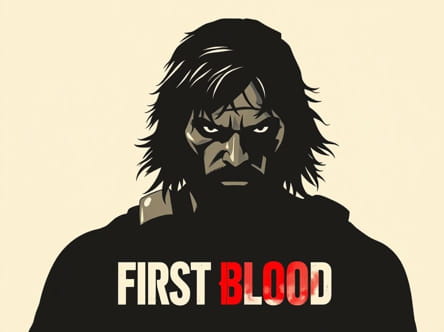
The Rambo franchise has become one of the most iconic action series in film history, known for its intense combat scenes, survivalist themes, and a complex protagonist who embodies the struggles of a war veteran. At the center of this franchise is John Rambo, a character whose experiences and battles have captivated audiences for decades. Many fans often ask whether First Blood is actually the first Rambo movie, and what makes it distinct from the sequels that followed. Exploring the origins, themes, and narrative of First Blood provides clarity on its place in cinematic history and its role in establishing the legend of Rambo.
The Origins of John Rambo
John Rambo is a fictional character created by author David Morrell in his 1972 novel First Blood. In the book, Rambo is a troubled Vietnam War veteran struggling to reintegrate into civilian life. The novel explores themes of post-traumatic stress disorder, societal neglect, and the challenges faced by returning soldiers. The story focuses on Rambo’s conflict with law enforcement in a small town, which escalates into a violent confrontation as he uses his combat skills to survive. This nuanced portrayal set the stage for the cinematic adaptation, highlighting Rambo’s vulnerability, intelligence, and lethal abilities.
The Film Adaptation First Blood
The 1982 film First Blood, directed by Ted Kotcheff and starring Sylvester Stallone as John Rambo, marked the first appearance of the character on screen. While the film retained key elements of Morrell’s novel, it also made several changes to suit cinematic storytelling. Rambo is depicted as a highly skilled former Green Beret who drifts from town to town after returning from Vietnam. When he is mistreated by local law enforcement, his combat training and survival instincts turn a simple confrontation into a full-scale manhunt, forcing authorities to confront a veteran who has been pushed to his limits.
The film emphasizes both action and psychological depth, showing Rambo as a skilled fighter and a deeply human character traumatized by war. Unlike later films in the franchise, First Blood focuses more on suspense, tension, and the moral dilemmas surrounding the treatment of veterans rather than explosive action sequences.
The Storyline of First Blood
First Blood begins with John Rambo entering a small town in search of an old friend. When local sheriff Will Teasle misjudges Rambo as a drifter and troublemaker, he arrests him without cause. The arrest triggers memories of Rambo’s traumatic experiences in Vietnam, and he reacts defensively, escaping into the nearby wilderness. What follows is a tense survival narrative, where Rambo uses guerrilla tactics to evade capture while the authorities mobilize a massive manhunt.
- Rambo demonstrates his combat and survival skills, setting traps and outsmarting his pursuers.
- The film explores the emotional and psychological impact of war on returning veterans.
- The story highlights the conflict between institutional authority and individual trauma, raising questions about justice and morality.
The narrative of First Blood is grounded in realism, showing the consequences of war and the struggle of reintegration into society. Unlike the over-the-top action of later sequels, this first film presents Rambo as a tragic hero, both dangerous and sympathetic.
Differences Between First Blood and Later Rambo Films
While First Blood is indeed the first Rambo film, it differs significantly from its sequels, which often emphasize large-scale military action and revenge-driven plots. Films such as Rambo First Blood Part II and Rambo III amplify the action elements, with Rambo engaging in highly stylized combat, rescuing prisoners, and taking on entire armies. In contrast, the original film focuses on psychological tension, the consequences of violence, and Rambo’s struggle with his own identity and trauma.
- The original film centers on survival and evasion, rather than direct assault or military campaigns.
- Rambo’s character is portrayed as vulnerable and human, not invincible.
- The story addresses societal neglect and the treatment of veterans, themes less emphasized in later installments.
Rambo as a Cultural Icon
First Blood established John Rambo as a cultural icon, introducing audiences to a complex and compelling action hero. The character resonated with viewers who saw him as both a symbol of strength and a reflection of real-world issues faced by war veterans. Rambo’s image muscular, determined, and resourceful quickly became synonymous with resilience and survival. The film also contributed to the broader discourse on the Vietnam War, post-traumatic stress, and the challenges veterans encounter when returning home.
The Influence on Action Cinema
The success of First Blood influenced the trajectory of action cinema in the 1980s and beyond. It demonstrated that action films could combine thrilling sequences with emotional and psychological depth. The film’s realistic approach to violence, suspense, and character development set a standard for future action heroes, differentiating Rambo from one-dimensional protagonists. Stallone’s portrayal cemented Rambo as a memorable and enduring character in the pantheon of cinematic icons.
- Rambo inspired a generation of action films that blend character-driven narratives with intense action.
- The film’s realistic depiction of survival and combat influenced military and adventure-themed movies.
- Rambo’s struggles with trauma and identity offered audiences a deeper, more empathetic hero than traditional action characters.
Why First Blood is Considered the First Rambo Film
The title of First Blood as the first Rambo film is both chronological and symbolic. Chronologically, it introduces John Rambo to the world and establishes the foundation for the sequels. Symbolically, it presents the essence of Rambo’s character a veteran coping with the aftereffects of war while being forced into conflict by an unsympathetic society. The film’s themes of alienation, survival, and resilience define what it means to be Rambo, setting the stage for the action-packed adventures that follow.
Legacy and Continuing Popularity
Decades after its release, First Blood continues to be celebrated for its storytelling, character depth, and cultural impact. The film’s exploration of human vulnerability and societal responsibility gives it enduring relevance. Subsequent Rambo films built on this foundation, but it is the first film that introduced audiences to the character, his struggles, and his enduring spirit. Without First Blood, the cinematic phenomenon of Rambo as an iconic action hero might not have existed.
- The film established Rambo’s backstory and personality, essential for understanding the sequels.
- It created a narrative template blending action with psychological tension and social commentary.
- Rambo’s enduring popularity stems from this original portrayal of him as both a hero and a human being.
First Blood is indeed the first Rambo film, both in terms of release and character development. It introduces audiences to John Rambo, a Vietnam War veteran struggling with societal reintegration and personal trauma, while also showcasing his survival and combat skills. The film’s emphasis on psychological depth, tension, and realism distinguishes it from the more action-heavy sequels, making it a cornerstone of the franchise. Understanding First Blood is essential for appreciating Rambo’s journey, his cultural significance, and the enduring legacy of one of cinema’s most iconic action heroes.
By establishing Rambo as a multifaceted character with both vulnerability and strength, First Blood created a foundation for decades of storytelling and action films. It remains a testament to the power of character-driven narratives in action cinema and continues to captivate audiences who seek both thrills and emotional resonance in their movie experiences.