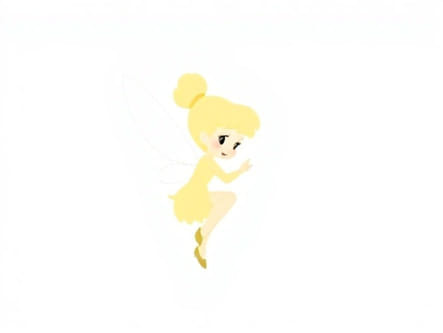
Tinkerbell, the beloved fairy from J.M. Barrie’s classic tale of Peter Pan, has captured the hearts of audiences for over a century. Known for her mischievous personality, sparkling presence, and loyalty to Peter Pan, she has become one of the most iconic characters in literature and animation. One of the most common questions fans ask is, How old is Tinkerbell?” While her age may seem simple to define, it actually depends on the context whether in Barrie’s original play, the animated Disney adaptations, or the more recent film series. Understanding her age provides insights into her character, her role in the story, and her enduring appeal across generations.
The Origin of Tinkerbell
Tinkerbell was first introduced in J.M. Barrie’s 1904 play “Peter Pan, or The Boy Who Wouldn’t Grow Up,” and later in the 1911 novel adaptation. In these early works, Tinkerbell is depicted as a tiny, magical creature who assists Peter Pan in his adventures in Neverland. Barrie never explicitly states her age, emphasizing instead her whimsical nature, her impulsive behavior, and her close connection with Peter Pan. She embodies childlike qualities, which makes her appear ageless to readers and audiences alike. Her character represents the freedom, curiosity, and playfulness of youth, qualities that transcend any specific number of years.
Tinkerbell in Disney’s Adaptations
Disney introduced Tinkerbell to a wider audience through the 1953 animated film “Peter Pan.” In this version, she is portrayed as a small, winged fairy with a playful yet sometimes jealous personality. While Disney also does not specify her age, the portrayal suggests she is perpetually young, reflecting the timeless nature of fairies in many folklore traditions. The animation emphasizes her youthful energy, curiosity, and occasional temper, reinforcing her ageless, magical persona. Disney’s Tinkerbell has since become a cultural icon, appearing in merchandise, theme park attractions, and numerous spin-offs.
Spin-off Films and Expanding the Character
In 2008, Disney launched the “Tinkerbell” film series, providing more details about her life, abilities, and personality. These films portray Tinkerbell as a young, adult fairy in terms of maturity and independence, yet she still embodies childlike wonder and curiosity. The films explore her relationships with other fairies, her work in Pixie Hollow, and her adventures that highlight courage, creativity, and friendship. Although the films focus on her growth as a character, they maintain the idea that she exists in a timeless state, much like other mythical or magical beings, making it difficult to assign a specific age.
Symbolic Age vs. Literal Age
When discussing Tinkerbell’s age, it is important to distinguish between symbolic and literal age. Symbolically, Tinkerbell represents the spirit of childhood, creativity, and magic, which means she is eternally young regardless of numerical age. Literally, as a fairy in Neverland, she does not age in the same way humans do. Neverland itself is a place where children never grow up, and fairies share this timeless characteristic. Therefore, her age is often considered ageless or undefined, emphasizing her role as a magical and enduring character rather than a human with a specific lifespan.
Factors Influencing Tinkerbell’s Age Perception
- Literary ContextIn J.M. Barrie’s original works, Tinkerbell’s age is never stated, leaving her timeless and eternally youthful.
- Animation and FilmsDisney’s portrayal reinforces the idea of her being young, small, and energetic, without specifying a birth year or age.
- Fairy LoreTraditional fairy mythology often depicts fairies as ageless or long-lived, which aligns with Tinkerbell’s depiction as a magical being.
- Audience PerceptionFans often interpret her age based on her behavior, relationships, and role in stories rather than a numerical value.
Tinkerbell’s Timeless Appeal
The ambiguity surrounding Tinkerbell’s age contributes to her universal and enduring appeal. She represents qualities that resonate across generations curiosity, mischief, loyalty, and courage. Her agelessness allows her to interact seamlessly with human children, other magical beings, and timeless characters like Peter Pan. This timeless aspect is a deliberate creative choice, reinforcing the fantasy and wonder that surrounds her. Whether in literature, animated films, or merchandise, Tinkerbell continues to embody the magic of youth, encouraging imagination and adventure without the constraints of age.
Age Comparisons with Other Characters
While Tinkerbell’s age is undefined, comparisons with other characters in the Peter Pan universe provide context. Peter Pan is portrayed as a boy who never grows up, and similarly, the Lost Boys maintain their eternal youth. Fairies in general are often depicted as small, magical, and ageless, which situates Tinkerbell within a category of characters that transcend normal human aging. Her relationship with Peter Pan emphasizes equality in terms of agelessness, even though her magical abilities and demeanor suggest a different type of maturity. This contrast adds depth to her character, highlighting both her innocence and her cleverness.
Why Fans Care About Tinkerbell’s Age
Fans are curious about Tinkerbell’s age because it relates to understanding her character more deeply. Knowing or speculating about her age allows fans to connect with her experiences, behavior, and personality traits. Discussions about her age also encourage exploration of fairy lore, the rules of Neverland, and the broader mythology surrounding Peter Pan. In essence, Tinkerbell’s age serves as a starting point for deeper engagement with the story, sparking conversations about childhood, magic, and the ways in which fictional characters can represent universal human themes.
In summary, the question “How old is Tinkerbell?” does not have a straightforward answer. Across literature, animation, and film adaptations, she is portrayed as ageless, magical, and perpetually youthful. J.M. Barrie’s original works intentionally left her age undefined, emphasizing her role as a symbol of childhood, wonder, and imagination. Disney’s adaptations and spin-off films maintain this ageless quality while providing a richer exploration of her personality, relationships, and adventures. Tinkerbell exists in a timeless space where numerical age is irrelevant, allowing her to remain a beloved and enduring character for audiences of all ages. Her charm lies not in how many years she has lived, but in her spirited personality, magical abilities, and ability to inspire joy, curiosity, and creativity in generations of fans. Tinkerbell is, ultimately, a celebration of the eternal magic of youth, and her age whether defined or not only adds to the mystery and enchantment that make her unforgettable.