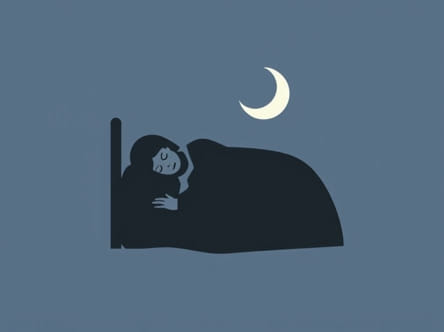
In Shakespeare’s tragedyMacbeth, sleep emerges as a powerful and recurring symbol that reflects the psychological and moral turmoil of the characters. Throughout the play, sleep is not merely a natural physical state but a representation of peace, innocence, and conscience. As Macbeth descends deeper into guilt and madness, his relationship with sleep changes dramatically, symbolizing the disruption of natural order and inner harmony. Exploring how sleep functions as a symbol inMacbethreveals important themes related to guilt, madness, and the consequences of immoral actions.
Sleep as a Symbol of Innocence and Peace
At the beginning of the play, sleep is closely linked with innocence and tranquility. Characters who are morally upright and at peace with themselves enjoy restful sleep. Sleep symbolizes the natural state of human beings who live in harmony with moral laws and social order.
Banquo’s Sleep and Innocence
Banquo, Macbeth’s friend and a foil to him, is associated with peaceful sleep. Unlike Macbeth, Banquo’s conscience remains clear throughout the play. His ability to sleep peacefully contrasts sharply with Macbeth’s sleepless torment, highlighting the moral consequences of their differing choices.
Lady Macbeth’s Early Confidence
Early on, Lady Macbeth believes that she can suppress any feelings of guilt and remain unaffected by the consequences of their murderous plot. Sleep, at this point, still represents something attainable and normal, though it soon becomes a distant reality for both Macbeth and Lady Macbeth.
Sleep and Guilt in Macbeth’s Downfall
After Macbeth murders King Duncan, sleep transforms from a symbol of peace into one of guilt and unrest. Macbeth’s inability to sleep signals his growing psychological torment and moral corruption.
Macbeth does murder sleep
One of the most famous lines in the play, spoken by Macbeth himself, is Macbeth does murder sleep. This metaphor captures the idea that by killing Duncan, Macbeth has destroyed his own peace of mind and innocence. Sleep, which once came naturally, now eludes him because of his overwhelming guilt.
Imagery of Sleeplessness
Throughout the play, Macbeth’s insomnia reflects his troubled conscience. He is haunted by visions and paranoia, unable to find rest. This sleeplessness symbolizes the disruption of natural order caused by his immoral actions. It emphasizes that guilt is a psychological punishment that cannot be escaped.
Lady Macbeth and the Symbolism of Sleep
Lady Macbeth’s relationship with sleep undergoes a dramatic transformation, mirroring her mental deterioration. Initially confident and ruthless, she later becomes consumed by guilt and madness, which manifests most clearly through her disturbed sleep.
Out, damned spot!
In one of the play’s most famous scenes, Lady Macbeth sleepwalks and obsessively tries to wash imaginary blood from her hands. This scene vividly illustrates how sleep symbolizes the inescapability of guilt. Even in sleep, Lady Macbeth cannot find peace because her conscience torments her.
Sleepwalking as a Symbol
Lady Macbeth’s sleepwalking is a powerful image showing how guilt invades the mind even when the conscious self is at rest. Her disturbed sleep highlights the psychological consequences of wrongdoing and shows how the mind struggles to reconcile with immoral deeds.
Sleep and the Breakdown of Natural Order
InMacbeth, sleep also symbolizes the natural order of life and the universe. Macbeth’s regicide disrupts this order, causing chaos in the world and within himself. The absence of sleep reflects this disruption and the unnatural state of affairs.
Disrupted Night and Dark Imagery
The play often connects sleep with night, a time when the world should be at rest. However, after Duncan’s murder, night becomes a time of fear, unrest, and supernatural activity. Macbeth’s sleepless nights symbolize the inversion of natural laws and the chaos unleashed by his actions.
Sleep as a Moral Barometer
Sleep serves as a gauge of morality in the play. Those who are innocent or morally justified sleep peacefully, while those who commit crimes lose this ability. This symbolism reinforces the idea that moral transgressions come with spiritual and psychological consequences.
- Sleep symbolizes innocence, peace, and natural order early in the play.
- Macbeth’s murder of Duncan murders his own sleep, reflecting guilt.
- Lady Macbeth’s disturbed sleep and sleepwalking symbolize overwhelming guilt.
- Sleeplessness signifies psychological torment and moral corruption.
- Sleep acts as a symbol of the natural and moral order disrupted by Macbeth’s actions.
The Enduring Power of Sleep Symbolism in Macbeth
The symbolism of sleep inMacbethremains powerful because it touches on universal human experiences. Sleep is essential to physical and mental health, and its loss resonates as a metaphor for inner conflict and disturbance. Shakespeare uses this symbol to show the destructive effects of guilt and ambition, and the impossibility of escaping moral consequences.
Connection to Themes of Madness and Conscience
Sleep ties directly into themes of madness and conscience in the play. The characters’ troubled sleep patterns reveal their internal struggles and foreshadow their downfall. This connection deepens the tragedy by showing how moral failings impact the human psyche.
Relevance to Modern Audiences
Modern readers and viewers continue to find the symbolism of sleep relevant, as many people can relate to experiences of insomnia caused by stress, guilt, or anxiety. Shakespeare’s depiction of sleeplessness as a consequence of wrongdoing speaks to timeless questions about conscience and justice.
Sleep inMacbethis far more than a biological necessity; it is a rich symbol representing innocence, peace, guilt, and the natural order. As Macbeth and Lady Macbeth descend into moral corruption and madness, their relationship with sleep deteriorates, illustrating the psychological cost of their crimes. The imagery of sleeplessness and disturbed rest highlights the play’s central themes of conscience, ambition, and the consequences of violating moral laws. Through the symbolism of sleep, Shakespeare masterfully explores the human condition and the devastating effects of guilt, makingMacbetha timeless tragedy that continues to resonate deeply with audiences.