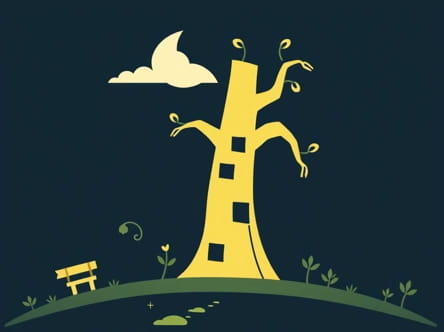
Once upon a modern twist, the classic tale of Jack and the Beanstalk” was turned on its head with a fractured fairy tale that questions morality, intelligence, and the true meaning of heroism. In this reimagined story, familiar characters take on new personalities, motives are shifted, and the outcome challenges our usual expectations. Fractured fairy tales like this one rework old narratives into fresh, humorous, and often ironic retellings that reflect contemporary values or question traditional tropes. In the case of Jack and the Beanstalk, this version pokes fun at greed, entitlement, and assumptions about good and evil.
What is a Fractured Fairy Tale?
A fractured fairy tale is a parody or a humorous adaptation of a traditional fairy tale. It maintains the basic structure of the original but alters characters, settings, or outcomes in unexpected ways. These stories are often satirical and used to highlight the flaws or outdated ideas found in the original versions. They are popular in literature, animation, and classroom activities for promoting creativity and critical thinking.
Key Characteristics of Fractured Fairy Tales
- Role reversal or character transformation
- Unexpected or ironic plot twists
- Modern or alternative settings
- Humor or satire
- Lessons that differ from the original moral
Retelling Jack and the Beanstalk A Fractured Perspective
In this fractured version of Jack and the Beanstalk, the story doesn’t start with a poor boy selling his cow for magic beans. Instead, Jack is an ambitious entrepreneur living in a society where climbing literal and metaphorical beanstalks is encouraged for fame and fortune. His mother isn’t desperate she’s a retired botanist who warns Jack against unethical plant experimentation. But Jack ignores her advice and trades their last cow for a packet of genetically engineered beans from a shady biotech salesman.
The Beanstalk as a Symbol of Greed
In this reimagined tale, the beanstalk isn’t magical it’s the result of human tampering with nature. It grows so tall overnight due to illegal growth accelerants. Jack, driven by curiosity and greed, climbs it and discovers not a mythical giant but a misunderstood researcher who lives in solitude at the top, conducting experiments to create sustainable food sources for a starving world. The “giant” is no villain but a socially awkward scientist named Gregor who is part of an alien species trying to help Earth.
Jack Hero or Villain?
In the original fairy tale, Jack is the hero for stealing from the giant and escaping. But in the fractured version, Jack’s actions come into question. He breaks into Gregor’s home, takes his research notebook, and destroys the greenhouse lab when attempting to escape. Jack returns to the ground and sells the research to a corporate conglomerate, becoming rich and famous. Meanwhile, Gregor is left with nothing and can no longer help Earth’s growing food crisis.
Moral Shift in the Fractured Tale
This version explores a different moral success obtained through theft and dishonesty is not real success. Jack becomes a celebrity, but he is constantly paranoid that Gregor might come for revenge. The fractured fairy tale teaches that appearances are deceptive, and taking without consent, even from someone “different,” has consequences. It reverses the notion that stealing from the rich is justifiable simply because the thief is poor or charming.
Modern Themes in the Fractured Version
By updating the tale and changing character motivations, the fractured fairy tale format allows for the exploration of deeper themes relevant to today’s world.
Ethics of Science and Technology
The beanstalk symbolizes unchecked scientific progress. Jack’s impulsive decision to plant the beans without understanding their origin or consequences reflects humanity’s tendency to rush into innovation without foresight.
Media and Misrepresentation
When Jack returns to the ground, the media spins him as a visionary and brave explorer, masking his theft and destruction. The story highlights how easy it is to manipulate public perception through storytelling and news, a nod to the importance of media literacy.
Empathy and Understanding the Other
The so-called giant, Gregor, is not evil or monstrous. He represents the misunderstood outsider, often seen in modern allegories addressing xenophobia or cultural prejudice. The tale urges readers to look beyond surface judgments.
Character Transformations
Fractured fairy tales are known for reshaping characters to provide humor and deeper analysis. Here’s how the main characters differ from the original
- JackNo longer the innocent underdog, he becomes a symbol of ambition and ethical compromise.
- Jack’s MotherPortrayed as an educated woman who values reason over fantasy, yet ignored.
- The Giant (Gregor)Transformed into a sympathetic scientist, showing that giants aren’t always monstrous.
- The Magic BeansRepresent biotechnology and the consequences of human manipulation of nature.
Lessons from a Fractured Fairy Tale
The fractured fairy tale version of Jack and the Beanstalk offers more than just a fun retelling. It asks readers to question what makes someone a hero, whether ends justify means, and how perspectives can completely change a story. While the original tale celebrates bravery and adventure, this modern version encourages critical thinking, ethical awareness, and a redefinition of success.
Through irony and satire, fractured fairy tales like this one provide an engaging way to revisit beloved childhood stories with a fresh lens. They challenge traditional storytelling conventions and make room for complex discussions on topics like morality, science, greed, and empathy. Whether told in classrooms or reimagined in books and shows, fractured fairy tales continue to be a powerful literary tool that entertains while educating.