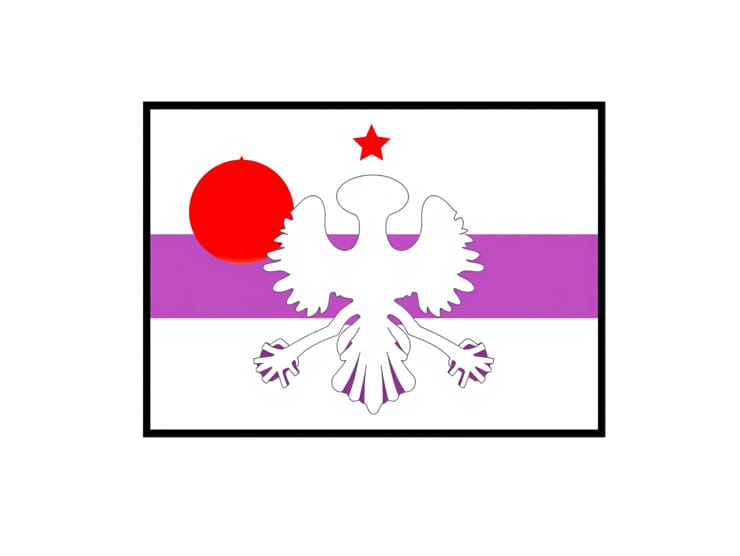
Located in the Russian Far East, Sakhalin Oblast is a unique and remote administrative region composed of Sakhalin Island and the Kuril Islands. The area’s identity is deeply influenced by its geography, culture, and historical background. One of the visual symbols that represents the spirit and authority of the region is the flag of Sakhalin Oblast. This flag holds special meaning for its residents, and understanding its design and symbolism offers insight into the region’s character and heritage. The flag is not merely decorative; it serves as a visual emblem of pride, governance, and regional uniqueness.
Design of the Flag
Visual Description
The flag of Sakhalin Oblast features a simple yet distinctive design. It consists of a plain white background with the outline of the Sakhalin Island and the Kuril Islands prominently displayed in a vertical alignment. The map illustration is usually colored in a soft blue or turquoise shade, emphasizing its geographical layout along the Sea of Okhotsk and the Pacific Ocean.
Here are the key elements of the flag’s design
- A white field representing purity, peace, and the cold, snowy landscape of the region
- A light blue silhouette of the Sakhalin and Kuril Islands in the center
- A minimalist design approach that prioritizes clarity and symbolism
Color Symbolism
The use of white and light blue is deeply meaningful
- Whitestands for snow, calmness, and simplicity. It reflects the long winters and frozen terrain of the Far East.
- Bluesymbolizes the surrounding sea, maritime culture, and the open sky that stretches across the vast islands.
Geographic Representation
Depiction of the Islands
The most notable feature on the flag is the shape of the islands themselves. Sakhalin Island, the largest in Russia, is depicted vertically along with the neighboring Kuril Islands, which extend toward the southeast in a chain-like formation. This alignment on the flag mirrors the actual geographic configuration of the region.
Cartographic Accuracy
While stylized, the island silhouettes on the flag are surprisingly accurate in proportion and position. This level of detail is significant because it connects the flag directly to the land it represents, creating a stronger sense of belonging for those who live in or originate from Sakhalin Oblast.
Historical Context
Origins of the Flag
The flag of Sakhalin Oblast was officially adopted in the early 2000s, a period during which many Russian federal subjects developed or modernized their regional symbols. While the flag’s design is contemporary, it draws upon centuries of geographic identity and historical changes in sovereignty and settlement.
Influence from Regional History
Sakhalin and the Kurils have a complex past, having been influenced by both Russian and Japanese governance. The islands changed hands multiple times, especially during the late 19th and 20th centuries. The flag, however, steers clear of political imagery and instead focuses purely on territorial representation, thereby uniting the population around a shared geography rather than a divided history.
Official Use and Significance
Where the Flag Is Displayed
The flag of Sakhalin Oblast is commonly seen on government buildings, during official ceremonies, and at regional events. It may also be displayed in schools, city halls, and regional administrative offices. Its presence signals authority and administrative identity within the framework of the Russian Federation.
Regional Identity
For many residents, the flag is a symbol of pride. It distinguishes their home from other Russian regions and reflects the unique isolation and natural beauty of the islands. The flag promotes unity among inhabitants of Sakhalin and the Kuril Islands, emphasizing what they share rather than what divides them.
Comparison with Other Regional Flags
Simplicity in Design
Compared to other flags of Russia’s federal subjects, the flag of Sakhalin Oblast stands out for its simplicity. Many other regions incorporate coats of arms, complex color patterns, or symbols representing economic activities. In contrast, Sakhalin’s flag uses minimalist elements, which contributes to its elegance and ease of recognition.
Shared Themes with Other Maritime Regions
Some similarities can be seen with flags of other coastal or island regions, such as Kamchatka Krai or Primorsky Krai. These flags also use colors associated with the sea and often feature stylized maps or nautical elements, reflecting their marine-based economies and locations.
Public Reception and Cultural Role
Connection to Local Culture
The flag has been positively received by the local population. It appears in cultural festivals, promotional materials, and regional merchandise. Artists and designers sometimes incorporate its themes into local crafts, posters, and souvenirs, strengthening its cultural impact beyond official use.
Educational Use
In schools and public institutions, the flag is often used to teach children about geography and regional identity. Lessons involving the flag help students understand where they live and why their home is unique within the Russian Federation.
Symbol of Unity and Peace
Neutral Representation
Unlike many regional flags that may invoke historical conflict or political ideologies, the flag of Sakhalin Oblast remains neutral. By avoiding complex symbolism, it fosters a peaceful and unified regional image. This neutrality is important in a place with such a diverse history and population.
Promoting Regional Development
Regional leaders often use the flag as a symbol of progress and development. When displayed at conferences, trade events, or tourism campaigns, it represents a vision for a thriving and modern Sakhalin. The flag, while rooted in geography, also looks forward to the region’s economic and cultural growth.
The flag of Sakhalin Oblast serves as more than just a banner. It is a visual identity that ties together a vast and remote region with a shared sense of place. Through its clean design, geographical representation, and thoughtful symbolism, it communicates the core characteristics of Sakhalin and the Kuril Islands. Whether flying over a government office or printed on a school poster, the flag continues to inspire local pride and connect its people to the unique land they call home.