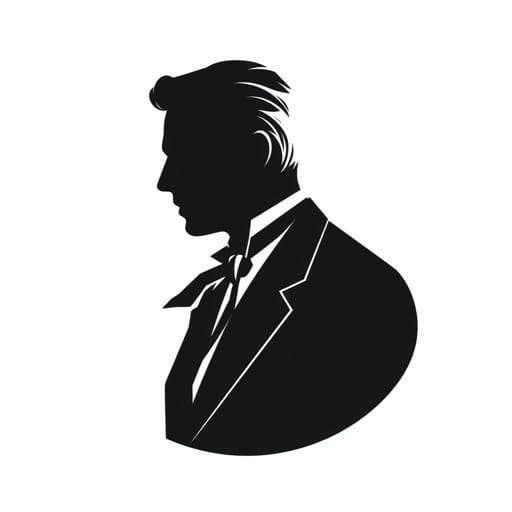
Among the many elements that contribute to the iconic nature of the 1973 political thrillerThe Day of the Jackal, few are as subtly memorable as Edward Fox’s wardrobe especially his elegant cravat. As the cool and calculating assassin known only as ‘The Jackal,’ Fox brought a distinctive mix of poise, danger, and refinement to the screen. While the film is rightly praised for its taut direction and gripping plot, it’s also a masterclass in character design. One seemingly minor detail the cravat worn by Edward Fox has become a symbol of the character’s sophistication and deadly precision. This small accessory speaks volumes about the man who wears it, enhancing the persona of one of cinema’s most enigmatic contract killers.
The Role of Wardrobe in Defining Character
InThe Day of the Jackal, every detail matters. Director Fred Zinnemann and costume designer Jocelyn Rickards crafted the assassin’s look with care, reflecting his personality through understated yet meaningful choices. One of the most striking features of Edward Fox’s portrayal is the cravat, worn with effortless elegance. It isn’t flamboyant or overly styled. Rather, it suggests a man who values refinement, control, and discretion all vital traits for a professional killer operating in the shadows.
The cravat stands in contrast to more traditional ties or open collars, setting the Jackal apart visually from nearly every other character in the film. It is not merely an item of fashion; it’s a psychological tool, silently communicating calm, precision, and a veneer of gentility. It’s this blend of sartorial elegance and underlying menace that makes Edward Fox’s performance so compelling.
Why a Cravat?
Unlike a necktie or bowtie, a cravat carries a particular cultural and stylistic association. It suggests an old-world sophistication, often linked with aristocracy, intellect, and travel. In Edward Fox’s case, it aligns with the Jackal’s identity as a cultured, cosmopolitan figure a man of means, educated and discreet, capable of blending into the refined corners of European society while carrying out cold-blooded murder.
The cravat adds to his disguise. While officials and investigators are dressed in standard government suits and professional uniforms, the Jackal floats just outside the system. He doesn’t belong to any military or bureaucratic institution. His dress code reflects this independence. The cravat, simple yet elegant, positions him in a different class both socially and psychologically.
- It reinforces his international persona, able to travel seamlessly between countries.
- It distinguishes him from the average man, subtly elevating his presence.
- It aligns with the film’s 1960s70s European style, giving it timeless appeal.
Edward Fox’s Performance and Style
Edward Fox brought a chilling subtlety to his performance inThe Day of the Jackal. He rarely raises his voice. His movements are calculated and economical. His appearance is always neat, calm, and composed. In many ways, the cravat mirrors these qualities. Just as the Jackal avoids unnecessary emotion or drama, his cravat is smooth, clean, and unflashy. It doesn’t demand attention, but once noticed, it is impossible to ignore.
Fox’s portrayal is also devoid of the exaggerated villain tropes seen in many spy or political thrillers. There is no maniacal laugh, no shouting monologues. The elegance of his attire, especially the cravat, makes his role even more frightening because it’s believable. He looks like someone you might pass in a hotel lobby or train station without a second thought. This realism adds to the tension and immersive quality of the film.
Symbolism and Subtext
The cravat may be a small item, but within the visual language of cinema, it carries heavy symbolic weight. It becomes a visual shorthand for the character’s dual nature. On the surface, the Jackal is smooth, polite, and cultured. Beneath that, he is lethal, detached, and ruthlessly efficient. The cravat suggests a mask an elegant cover for what lies beneath.
It also communicates the Jackal’s obsession with control. He never allows his appearance to slip, even under pressure. His clothes, like his methods, are meticulously planned. The cravat is always perfectly tied, never loose or disheveled. That level of discipline mirrors the way he approaches his work as an assassin. The symbolism is subtle, but deeply effective.
The Cravat as an Enduring Fashion Statement
In the years since the film’s release, Edward Fox’s cravat inThe Day of the Jackalhas become a fashion reference point. Stylists and menswear enthusiasts often cite it as an example of understated elegance. The look isn’t loud or trendy, but timeless an example of how small choices in wardrobe can have lasting visual impact.
Fashion-conscious viewers have attempted to recreate the look, noting how the cravat pairs well with the rest of the Jackal’s wardrobe. He typically wears tailored suits in neutral colors, crisp shirts, and minimal accessories. The cravat becomes the focal point a soft contrast to the sharp lines of his clothing, lending a touch of flair to an otherwise utilitarian style.
- It’s practical offering comfort without sacrificing elegance.
- It’s distinctive rarely seen in modern attire, making it memorable.
- It’s versatile able to be dressed up or down depending on the setting.
Impact on Popular Culture
Beyond the world of fashion, the cravat has become part of the larger conversation around cinematic style. Edward Fox’s Jackal is often included in lists of best-dressed movie characters. The character’s look has inspired everything from costume parties to modern reinterpretations in fashion editorials. Despite the rise of more casual dress codes, the elegance of the cravat continues to intrigue audiences who appreciate its timeless charm.
In the realm of spy and thriller films, wardrobe plays a crucial role in character development. Just as James Bond is associated with tuxedos and martinis, the Jackal’s cravat is now part of his legacy. It reflects the genre’s tradition of stylish danger men who kill with both poise and precision.
Edward Fox’s cravat inThe Day of the Jackalmay seem like a small detail, but it is a masterstroke of visual storytelling. It defines the character’s persona elegant, mysterious, controlled and adds a layer of psychological complexity that enhances the entire film. In a movie that thrives on tension, subtlety, and detail, the cravat becomes more than just an accessory; it becomes a symbol. A symbol of a man who can disappear in a crowd, charm at a glance, and kill without hesitation all while impeccably dressed. It remains one of the most memorable wardrobe choices in thriller cinema and a lasting part of Edward Fox’s legacy as the original Jackal.