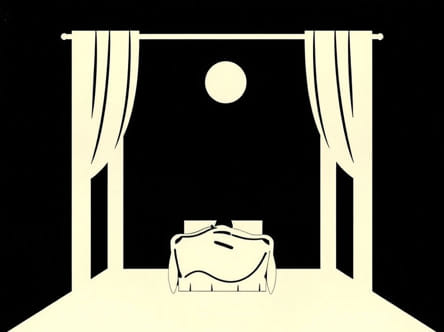
Death on the Fourposter 1964 Reparto is a fascinating subject for fans of classic cinema, theater adaptations, and vintage romantic comedies. The 1964 film adaptation of Jan de Hartog’s play The Fourposter brought to life the intimate and humorous story of a married couple navigating the ups and downs of life together. This movie is notable not only for its engaging plot and heartfelt themes but also for the performances of its reparto, or cast, which brought authenticity, emotion, and charm to the screen. Understanding the reparto of Death on the Fourposter allows audiences to appreciate the talent, chemistry, and contributions of each actor in creating a memorable cinematic experience.
Overview of Death on the Fourposter
The story of Death on the Fourposter centers on the lives of a married couple, John and Abby, and chronicles their relationship over several decades. The narrative unfolds primarily in their bedroom, symbolized by the titular fourposter bed, which serves as the stage for moments of love, conflict, joy, and sorrow. The film captures the universal themes of marriage, companionship, and the passage of time, exploring both the comedic and poignant aspects of lifelong partnership. The confined setting emphasizes the actors’ performances, relying heavily on their chemistry, timing, and emotional depth to engage the audience throughout the story.
Historical Context
- Theatrical OriginsOriginally a play titled The Fourposter by Jan de Hartog, the story was celebrated for its inventive structure and exploration of marriage.
- 1960s Film AdaptationThe 1964 movie adaptation brought the play to a wider audience, retaining its intimacy while incorporating cinematic techniques.
- Cultural SignificanceDuring the 1960s, films exploring relationships and domestic life resonated strongly with audiences, reflecting social norms and changing attitudes toward marriage.
- Focus on PerformanceThe film’s confined setting meant that the reparto’s ability to convey nuance, humor, and emotion was central to its success.
Main Cast (Reparto)
The reparto of Death on the Fourposter 1964 played a critical role in bringing the story to life. The film features a small but powerful ensemble, focused primarily on the two main characters whose dynamic drives the narrative. Their performances provide depth, authenticity, and relatability, capturing the evolution of a long-term marriage across decades.
Lead Actors
- Omar SharifPortraying John, Sharif brings charm, wit, and emotional nuance to the role. His ability to balance humor and vulnerability allows audiences to connect deeply with his character’s experiences, from youthful enthusiasm to mature reflection.
- Julie AndrewsAs Abby, Andrews delivers a performance full of warmth, intelligence, and expressive emotion. Her portrayal captures the joys and frustrations of married life, demonstrating both resilience and tenderness.
Supporting Cast
- Minor CharactersWhile the focus remains on John and Abby, supporting roles enhance the narrative by providing context, comedic relief, or pivotal moments that influence the couple’s journey.
- Voice and PresenceEven with limited screen time, the supporting actors contribute to the realism of the story, reflecting societal attitudes and personal relationships outside the couple’s central dynamic.
Character Dynamics and Chemistry
The success of Death on the Fourposter relies heavily on the chemistry between the lead actors. Omar Sharif and Julie Andrews create a believable and compelling portrayal of a couple evolving together over decades. Their interactions convey a full range of emotions, from playful banter and romantic gestures to moments of tension and heartbreak. The reparto’s ability to convey intimacy, trust, and conflict within the confined space of the fourposter bed enhances the film’s emotional resonance, making viewers feel invested in the characters’ journey.
Thematic Exploration
- Marriage and CompanionshipThe film examines the complexities of a lifelong partnership, highlighting both the struggles and triumphs that define a marriage.
- Time and ChangeAs the narrative spans several decades, the reparto must convincingly portray aging, evolving personalities, and shifting dynamics.
- Humor and PathosThe performances balance comedy and drama, allowing audiences to experience both laughter and emotional depth.
- Intimacy and ConnectionThe central setting emphasizes the importance of personal interaction and emotional closeness between characters.
Cinematic Techniques
Death on the Fourposter 1964 employs cinematic techniques that enhance the performances of its reparto. Close-ups, careful framing, and strategic lighting emphasize the actors’ expressions, gestures, and interactions. The camera often focuses on the fourposter bed, reinforcing its symbolic significance as the heart of the couple’s shared life. The film also uses subtle transitions and time-lapse elements to illustrate the passage of time, requiring the reparto to convincingly depict aging and evolving personalities while maintaining continuity and believability.
Impact of the Reparto on Storytelling
- Emotional EngagementThe actors’ performances make the audience invest in the couple’s journey, feeling joy, sorrow, and anticipation alongside them.
- AuthenticityThe reparto conveys realistic marital experiences, making the story relatable to viewers of different backgrounds.
- Balance of Comedy and DramaThe actors’ timing and delivery allow for a seamless mix of humor and emotional resonance.
- Character DepthThe reparto’s nuanced performances ensure that each moment, no matter how brief, contributes meaningfully to the narrative.
Critical Reception and Legacy
Death on the Fourposter 1964 received positive critical attention for its performances, storytelling, and faithful adaptation of the original play. Reviewers highlighted the lead actors’ chemistry and the reparto’s ability to sustain audience engagement despite the limited setting. The film has remained a reference point for adaptations of theatrical works, demonstrating how a strong reparto can elevate a story through performance and emotional authenticity. Its legacy continues to influence filmmakers and actors exploring intimate narratives centered on character development and human relationships.
Relevance Today
- Timeless ThemesMarriage, companionship, and the passage of time remain relevant subjects that resonate with contemporary audiences.
- Performance StudyThe reparto’s work provides a valuable case study for actors and students of performance, illustrating the power of chemistry and nuanced expression.
- Adaptation InsightsThe film demonstrates how theatrical works can be effectively translated to the screen while maintaining emotional depth and narrative integrity.
- Cultural AppreciationModern viewers can gain insight into 1960s cinematic techniques and storytelling approaches through the film’s performances and production design.
Death on the Fourposter 1964 Reparto is essential to understanding the film’s charm, emotional resonance, and success. The performances of Omar Sharif, Julie Andrews, and supporting actors bring authenticity, humor, and depth to the story of John and Abby, allowing audiences to experience the highs and lows of marriage across decades. The reparto’s chemistry, skill, and emotional range make the confined setting of the fourposter bed a compelling stage for a timeless narrative about love, companionship, and life’s passage. By examining the cast and their contributions, viewers can gain a deeper appreciation for the artistry involved in adapting theatrical works to film.
Ultimately, the reparto of Death on the Fourposter 1964 demonstrates the power of performance in storytelling. The actors’ ability to convey complex emotions, develop character arcs, and maintain audience engagement showcases the artistry and dedication required to bring such an intimate narrative to life. Their work ensures that the film remains a classic example of effective cinematic adaptation, providing entertainment, emotional impact, and cultural insight for generations of viewers.