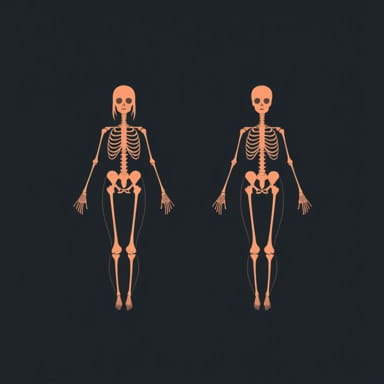
Brittany and Abby Hensel are conjoined twins whose unique anatomy has fascinated scientists, medical professionals, and the general public for decades. Born in 1990 in Minnesota, USA, they have captured widespread attention due to their remarkable physiology and their ability to live a highly functional, independent life despite sharing a single body. Understanding the anatomy of Brittany and Abby Hensel provides insight into human development, medical challenges, and the adaptability of the human body. Their story also highlights the importance of medical ethics, social inclusion, and the incredible potential of individuals to overcome physical differences. By examining their anatomy in detail, we gain a deeper appreciation of the complexity and resilience of human physiology.
Overview of Their Anatomy
Brittany and Abby are dicephalic parapagus twins, a rare form of conjoined twinning in which two heads share a single torso. Each twin controls one side of the body, with Brittany primarily controlling the right side and Abby the left. Despite sharing many internal organs, each has unique and functional organ systems that allow them to perform daily tasks effectively. Their skeletal structure, muscular coordination, and nervous system connections are specially adapted to accommodate two separate brains controlling one body.
Head and Nervous System
Each twin has a distinct head with a fully functional brain, enabling independent thought, personality, and sensory perception. Both Brittany and Abby possess separate nervous systems for their respective sides of the body. This dual nervous system coordination allows them to control limbs independently while also working together for complex activities like walking, typing, and driving. Their brains communicate indirectly through shared sensory feedback from the body, which requires an extraordinary level of coordination and cooperation.
Musculoskeletal System
The twins share a single skeleton below the neck, including a single spine that supports their combined torso. Each twin controls muscles on her respective side, allowing coordinated movement. Their legs, arms, and core muscles are shared but are controlled in a way that feels natural to both twins. The hips and lower limbs are fused, with both Brittany and Abby contributing to walking, balance, and stability. Despite this unusual musculoskeletal arrangement, they have developed remarkable physical abilities, including athletic coordination and precise motor skills.
Internal Organs
Brittany and Abby share many vital organs, but the arrangement allows both to function efficiently. Their anatomy includes a single heart, a shared liver, a single digestive tract, and one reproductive system. However, they have two sets of lungs and two stomachs that merge into the shared digestive system. This unique configuration means that while some organs are shared, each twin contributes to maintaining the overall health and function of the body. Their circulatory and respiratory systems are integrated to ensure that both twins receive the oxygen and nutrients they need.
Digestive System
Each twin has her own stomach, which merges into a shared intestines system. This allows them to eat and digest food normally, though they must coordinate their intake to ensure that the shared digestive organs function optimally. The intestines and other digestive organs are structured to accommodate the input from both stomachs, demonstrating a remarkable adaptation of human anatomy to support two individuals in a single body.
Circulatory and Respiratory Systems
The twins share a single heart that pumps blood throughout the body, with both contributing to regulating cardiovascular function. They have two lungs, one for each twin’s side, which helps maintain oxygen levels efficiently. Coordination of breathing is crucial for their health, and they have developed a rhythm that allows them to synchronize their respiratory efforts seamlessly. Their circulatory system supports the shared organs while ensuring that each twin receives adequate blood flow.
Coordination and Daily Life
Despite their shared body, Brittany and Abby have developed an extraordinary ability to coordinate movements and activities. Each twin controls her side independently but works in constant cooperation to perform everyday tasks. Walking, running, swimming, and even driving require careful synchronization. They have learned to communicate subtly through touch and visual cues to maintain balance and coordination. This level of coordination highlights the adaptability of the human body and the plasticity of the brain in accommodating unique anatomical configurations.
Social and Educational Life
Beyond their anatomy, Brittany and Abby have pursued education, social interaction, and careers just like any other individuals. They attended school, learned to drive, and became teachers, demonstrating that their shared anatomy does not limit their intellectual or professional achievements. Their daily routines require cooperation, but they maintain independence in decision-making, showcasing the blend of shared physicality and individual personality.
Medical Considerations
Conjoined twins like Brittany and Abby present unique medical challenges. Regular monitoring of shared organs is crucial to prevent complications. They must manage the risks associated with shared circulatory and digestive systems, and medical professionals must consider the implications of any illness, surgery, or injury carefully. Despite these challenges, Brittany and Abby have remained healthy due to careful medical oversight and proactive lifestyle management.
Challenges and Adaptations
- Coordinating movement to prevent falls or injuries
- Managing nutrition to ensure both twins receive adequate energy
- Regular medical check-ups for shared organ function
- Adjusting daily activities to account for dual control of limbs
Public Interest and Awareness
The anatomy of Brittany and Abby Hensel has sparked widespread curiosity and media coverage. They have appeared on documentaries and interviews, educating the public about the realities of living as conjoined twins. Their story emphasizes the importance of understanding human anatomy, medical ethics, and the capacity for human adaptability. By sharing their experiences, they have inspired countless people to view differences with empathy and appreciation for human resilience.
Ethical and Social Implications
Brittany and Abby’s anatomy raises important ethical questions regarding medical decisions, privacy, and societal support. Their ability to live a fulfilling life challenges stereotypes about disability and demonstrates that individuals with unique anatomical configurations can lead independent, meaningful lives. Social awareness and medical understanding are essential to supporting conjoined twins and ensuring they have access to education, healthcare, and opportunities to thrive.
Brittany and Abby Hensel’s anatomy provides a rare and remarkable example of human physiological adaptation. As dicephalic parapagus twins, they share a single body while maintaining two distinct personalities and independent control of their respective sides. Their skeletal, muscular, and internal organ systems demonstrate extraordinary coordination and adaptability. Beyond their physical uniqueness, Brittany and Abby have led full, active lives, highlighting the resilience of the human body and spirit. Their story educates the public about the complexities of anatomy, the challenges and rewards of cooperation, and the boundless potential of human capability, offering valuable insights into medical science, physiology, and social inclusion.