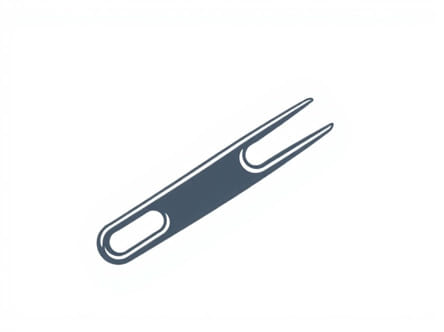
In emergency situations, having the right tools available can make a significant difference in how injuries are managed before professional help arrives. One such tool, often underestimated but incredibly useful, is a pair of tweezers. Found in many first aid kits, tweezers can assist in a variety of medical scenarios, particularly where precision is needed to remove foreign objects or handle delicate tissues. Their simplicity hides their value, and understanding the appropriate use of tweezers in first aid can help prevent infections and complications while providing comfort to the injured person.
Role of Tweezers in Basic First Aid
Tweezers serve as a vital extension of the hands in many first aid situations. When handling small objects or working in tight spaces, fingers may be too large or imprecise. Tweezers offer control and accuracy, which are crucial in delicate procedures. They are particularly useful in outdoor or home settings where injuries from splinters, insect stings, or small debris are common.
Common First Aid Situations Where Tweezers Are Used
- Removing splinters or glass shards from the skin
- Extracting ticks safely without squeezing the body
- Removing bee stingers embedded in the skin
- Handling small bandages or sterile dressings without touching them
- Cleaning wounds by picking out dirt or debris
Proper Technique for Using Tweezers in First Aid
To ensure tweezers are used safely and effectively, it’s important to follow proper steps. Improper technique can push foreign objects deeper or cause additional trauma. Here’s how to use tweezers correctly in common situations:
Removing a Splinter
1. Wash your hands thoroughly and disinfect the tweezers with rubbing alcohol.
2. Clean the affected area with soap and water.
3. Use the tweezers to gently grip the end of the splinter and pull it out in the same direction it entered.
4. Clean the area again and apply antiseptic and a bandage if needed.
Tick Removal
1. Use fine-tipped tweezers to grasp the tick as close to the skin’s surface as possible.
2. Pull upward with steady, even pressure. Do not twist or jerk the tick, as this may cause mouth-parts to break off and remain in the skin.
3. After removal, clean the bite area and your hands with alcohol or soap and water.
4. Dispose of the tick properly and monitor the bite site for signs of infection or illness.
Removing a Bee Stinger
Although credit cards or flat tools are often recommended, tweezers can be used if done gently:
1. Disinfect the tweezers.
2. Use them to gently scrape or lift the stinger out without squeezing the venom sac.
3. Clean the area and apply a cold compress to reduce swelling.
Types of Tweezers Used in First Aid
Not all tweezers are the same. The type used can affect how well a procedure goes. Here are the most common types found in first aid kits:
- Fine-Tip Tweezers Ideal for splinters, ticks, and small glass pieces.
- Angled Tweezers Provide better control when accessing awkward angles, such as under the nail.
- Flat-Tip Tweezers Useful for gripping bandages or dressings.
- Pointed Tweezers Allow for detailed work, especially in tight or sensitive spaces.
Precautions and Safety Tips
While tweezers are simple to use, they must be handled with care to avoid causing more harm than good. Here are some safety tips:
- Always disinfect tweezers before and after use.
- Never use tweezers to remove objects deeply embedded in the body; seek medical help instead.
- Do not dig around in a wound with tweezers, as it can increase infection risk.
- Be gentle to avoid tearing the skin or worsening the injury.
- Use sterile tweezers whenever possible, especially in emergency kits.
Importance of Including Tweezers in a First Aid Kit
Many first aid kits include gauze, antiseptic wipes, adhesive bandages, and pain relievers, but tweezers are just as important. They are small, lightweight, and inexpensive, making them easy to carry and store. Including high-quality, stainless steel tweezers in your kit can greatly expand its usefulness. Whether at home, on the road, or camping, tweezers often prove to be essential in handling unexpected injuries or medical needs.
Maintaining and Cleaning Tweezers
Maintaining your tweezers ensures they stay effective and safe to use. After each use:
- Wash them with warm water and antibacterial soap.
- Disinfect using rubbing alcohol or antiseptic solution.
- Dry them completely before storing to prevent rust.
- Keep them in a protective case or within a sealed first aid kit pouch.
When Not to Use Tweezers
There are some medical situations where using tweezers could cause harm or worsen the problem. In such cases, it’s better to wait for medical professionals:
- If the object is deeply embedded or near sensitive organs (e.g., eyes, ears).
- If there’s severe bleeding that must be controlled first.
- If the person is in extreme pain or distress.
- If there are signs of infection already present in the wound (swelling, pus, redness).
Using Tweezers in First Aid
Having tweezers and knowing how to use them properly can make a big difference in first aid situations. From removing splinters to handling delicate items, they offer precision that fingers cannot. As part of a complete first aid kit, tweezers empower responders to take quick and effective action, reducing the risk of infection and helping injuries heal faster. With correct handling and basic hygiene, tweezers can be one of the most practical tools in any emergency scenario.