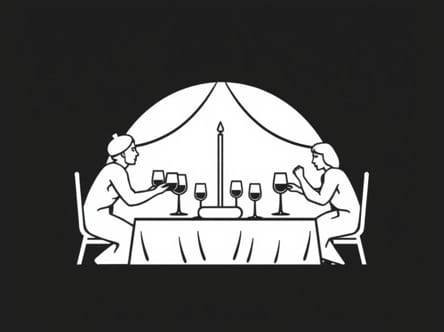
In ancient Rome, religious festivals were more than just ceremonies they were dynamic cultural events that reflected the spirit, fears, and desires of the people. Among these, the Feast of Bacchanalia stood out as one of the most controversial and mysterious. This event, dedicated to the Roman god Bacchus (the counterpart of the Greek Dionysus), combined celebration with secrecy, ecstasy with ritual, and eventually led to political upheaval. Understanding the Feast of Bacchanalia provides valuable insight into Roman religious practices, societal boundaries, and the government’s reaction to perceived threats from within.
Origins of the Bacchanalia
The Bacchanalia were originally imported from Greece, where Dionysian mysteries formed part of ancient cult practices. Dionysus was the god of wine, fertility, and ecstatic celebration, and his cult emphasized liberation from conventional norms through dance, music, intoxication, and trance-like states. When the rituals were introduced into Rome, they retained many of these features but gradually took on a form unique to Roman society.
Introduction to Roman Culture
Initially, the Bacchanalia were held in small, private groups. The rites were thought to be harmless or even beneficial helping participants release tension and honor Bacchus. However, as the celebrations grew in number and secrecy, suspicions about their nature also increased. By the 2nd century BCE, the Bacchanalia had spread across much of the Italian peninsula, particularly among lower social classes, women, and marginalized groups.
Structure and Practices of the Festival
The rituals associated with Bacchanalia were held at night in remote or secluded locations such as wooded groves or underground chambers. The ceremonies reportedly involved:
- Drinking large quantities of wine to invoke the presence of Bacchus
- Frenzied dancing and rhythmic music to reach a state of ecstasy
- Possibly animal sacrifices or symbolic rites
- Role reversals and social inversion, where slaves and women could act freely
- Initiation rituals that were kept secret from outsiders
Because the Bacchanalia included both men and women, and emphasized a breakdown of social hierarchies, Roman authorities viewed the festival with increasing alarm. The mix of secrecy, revelry, and disregard for norms suggested to some that the Bacchanalia were a threat to public morality and political stability.
The 186 BCE Senate Crackdown
The Roman Senate took decisive action against the Bacchanalia in 186 BCE. According to the historian Livy, the turning point came when a young man reported strange and immoral acts occurring during the ceremonies. This led to an investigation that uncovered what was believed to be a massive underground cult with thousands of participants across Italy.
The Senatus Consultum de Bacchanalibus
In response, the Senate passed theSenatus Consultum de Bacchanalibus, one of the most famous legal decrees in Roman history. This law:
- Forbade all Bacchic rites throughout Italy unless specifically approved by the Senate
- Required permits for new religious gatherings
- Limited the number of participants and their roles
- Imposed harsh penalties, including death, for unauthorized worship
The crackdown was unprecedented. Thousands were arrested, and many were executed. Temples were destroyed, and Bacchic priests were banned from public life. The event signaled the extent to which Roman leaders were willing to act to preserve social order and control religious expression.
Social and Political Dimensions
The fear of the Bacchanalia was rooted not only in religious concerns but also in deeper anxieties about power, gender, and class. The following issues were particularly troubling to Roman elites:
- Women’s Independence: Women played active roles in the Bacchic rites, leading to fears about female autonomy in a patriarchal society.
- Social Mixing: The rites brought together people of various backgrounds, undermining traditional Roman hierarchies.
- Secret Societies: The secrecy of the Bacchanalia resembled political conspiracies, raising fears of rebellion.
In this context, the Senate’s reaction can be seen as an assertion of elite dominance rather than a purely moral or religious intervention. The state positioned itself as the protector of traditional Roman values and institutions, portraying the Bacchic cult as a foreign and corrupting influence.
Aftermath and Cultural Legacy
Although the Bacchanalia were officially suppressed, the worship of Bacchus did not vanish entirely. Over time, Roman society adapted to include more regulated and official forms of Bacchic worship. Bacchus continued to be honored in literature, art, and less controversial public festivals. The memory of the crackdown, however, lingered in Roman law and social memory.
Depictions in Literature and Art
Roman poets like Ovid and Horace often referenced Bacchus in their works, portraying him as both a source of inspiration and chaos. In visual arts, Bacchic imagery appeared frequently in frescoes, mosaics, and sculptures depicting wine, grapes, satyrs, and frenzied dancers. This duality Bacchus as both liberator and threat remained a powerful theme in Roman and later European culture.
Modern Interpretations of Bacchanalia
Today, scholars view the Bacchanalia not merely as wild orgies or dangerous cults, but as expressions of human longing for freedom, emotion, and community. Modern interpretations focus on:
- The psychological release provided by ecstatic ritual
- The role of marginalized groups in shaping cultural traditions
- The use of religion as a form of political resistance or alternative identity
In this light, the Bacchanalia can be compared to other historical movements where music, intoxication, and spiritual ecstasy allowed people to transcend the boundaries of their everyday lives. Rather than viewing them as threats, some historians now interpret such movements as necessary balances to the rigid structure of classical society.
The Feast of Bacchanalia holds a complex place in Roman history. While its rituals and secrecy caused alarm among Roman authorities, leading to one of the earliest examples of state-sponsored religious suppression, the festival also reflects a deeper human desire for emotional freedom, communal celebration, and spiritual transcendence. Its legacy lives on not only in ancient texts and art but in modern discussions of how societies manage the tension between control and expression. The story of the Bacchanalia is a reminder that history is shaped as much by celebration as it is by conquest.