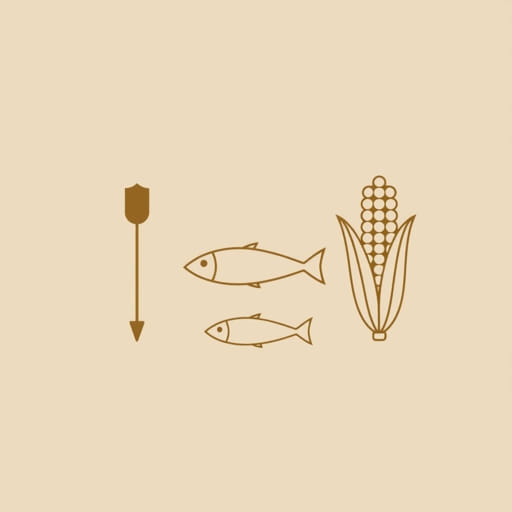
The Monacan Tribe, a Native American group indigenous to the Piedmont and Blue Ridge Mountains of present-day Virginia, had a diet that reflected their deep connection to the land, water, and seasons. Before European contact, their food habits were rich in diversity and sustainability, shaped by their environment and cultural practices. Unlike some other tribes, the Monacan people primarily relied on a combination of hunting, fishing, gathering, and agriculture to maintain a balanced and nutritious diet. Their culinary traditions provide insight into how Native communities sustained themselves in harmony with nature.
Staple Foods of the Monacan Tribe
The Monacan people utilized a diverse range of natural resources to sustain themselves throughout the year. Their staple foods were based on what was locally available and what they could cultivate. These food sources provided not only sustenance but also played a role in social and ceremonial life.
Maize (Corn)
Corn was the cornerstone of Monacan agriculture and diet. It was planted in clearings created by controlled burns and cultivated using tools made from stone, bone, and wood. Corn was consumed in many forms, including:
- Roasted on the cob
- Dried and ground into meal for porridge or bread
- Boiled with beans and squash in stews
The importance of maize cannot be overstated, as it was stored for use in the winter and used as trade with other tribes or settlers.
Beans and Squash
Alongside corn, the Monacans also grew beans and squash, forming the Three Sisters method of agriculture. This method was not only efficient but ecologically sustainable. Beans climbed the corn stalks, while squash spread across the ground to suppress weeds and retain moisture. These vegetables were usually boiled or roasted and often combined with corn for complete meals.
Wild Game
Hunting was a major food source for the Monacan tribe. Men used bows and arrows, traps, and spears to hunt a variety of animals. Commonly hunted game included:
- Deer (venison)
- Turkeys
- Rabbits
- Squirrels
- Black bears (less frequent but important during special occasions)
Game meat was typically roasted over an open fire or smoked to preserve it for later use. The hides and bones were used for clothing, tools, and ceremonial objects.
Fish and Aquatic Resources
Due to their proximity to rivers such as the James and Rivanna, the Monacan people included fish in their diet. They caught fish like bass, catfish, and perch using nets, spears, or traps woven from natural fibers. Fish were cooked by boiling or smoking and were often a reliable source of food during lean times.
Gathering of Wild Plants and Fruits
Monacan women and children played a crucial role in gathering wild edible plants, which provided essential nutrients and variety in the diet. These included:
- Acorns and chestnuts leached of their tannins and used to make meal or porridge
- Wild berries including blackberries, raspberries, and elderberries
- Roots and tubers such as Jerusalem artichokes and cattail roots
- Nuts such as hickory nuts and walnuts
- Edible greens like wild onions, ramps, and dandelion leaves
Many of these gathered items were seasonal and stored or dried for consumption in colder months.
Food Preservation Methods
The Monacan tribe, like many Indigenous groups, developed techniques to preserve food to last through winter or during times of scarcity. Common methods included:
- Drying: Meats, fruits, and vegetables were sun-dried or smoke-dried to extend shelf life.
- Smoking: Game and fish were often smoked over slow fires, which added flavor and preserved nutrients.
- Storage Pits: Underground storage pits lined with leaves and bark kept food cool and safe from pests.
Social and Ceremonial Aspects of Food
Food was not just for survival but also held social and spiritual importance for the Monacan people. Meals were shared in communal settings, and feasts were held during seasonal festivals or to mark significant events like harvests, marriages, or alliances. Specific foods were sometimes reserved for spiritual leaders or used in ritual offerings.
Sharing and Community
The act of sharing food helped reinforce community bonds and respect among members. During group hunts or harvests, food was distributed according to need, age, and social role, ensuring everyone was cared for.
Food in Spiritual Practices
Offerings of maize, animal fat, or berries were sometimes made to the spirits or ancestors as part of Monacan religious beliefs. These practices acknowledged the sacredness of the earth’s bounty and the need for balance between giving and receiving.
Changes After European Contact
The arrival of European settlers in Virginia significantly disrupted the Monacan way of life, including their traditional food systems. Loss of land, introduction of new diseases, and pressures from colonization led to displacement and resource scarcity.
Introduction of New Foods
After contact, Monacans began to incorporate new foods introduced by Europeans, including:
- Wheat and flour-based bread
- Domesticated animals like pigs and chickens
- Dairy products
These foods gradually altered the traditional Monacan diet, though many families continued to rely on hunting, fishing, and gardening well into the modern era.
Revival and Cultural Preservation
Today, efforts are being made by Monacan descendants and cultural organizations to preserve and revive traditional food practices. These include planting heritage crops, holding cultural festivals, and educating the public about traditional Monacan cuisine.
Community Gardens and Events
Some modern Monacan communities have established gardens to grow traditional crops like corn, beans, and squash. These initiatives support food sovereignty and cultural pride. Events such as the Monacan Nation Powwow showcase traditional foods and methods of preparation.
Educational Initiatives
Schools and cultural centers now include educational programs on Native foodways, which help younger generations reconnect with ancestral knowledge and appreciate the sustainability of traditional diets.
The Monacan Tribe’s diet reflects a rich tradition of working in harmony with the land and water. By relying on hunting, fishing, gathering, and farming, they were able to maintain a well-rounded and nutritious lifestyle. The cultural significance of food extended far beyond nutrition, playing a vital role in community bonding, spirituality, and seasonal celebrations. Despite the disruptions of colonization, the spirit of Monacan food culture continues to live on through revitalization efforts and the resilience of its people.