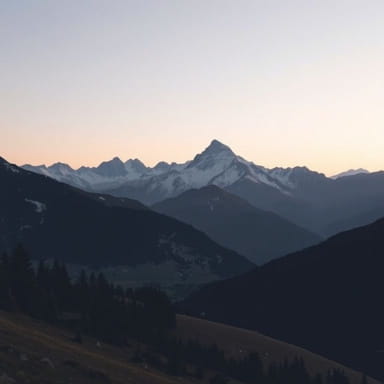
When British celebrity chef Jamie Oliver visited the French Pyrenees, he brought his signature passion for rustic ingredients and local flavors to one of Europe’s most scenic and traditional regions. The French Pyrenees, stretching along the border between France and Spain, is a land rich in culinary heritage, breathtaking landscapes, and small mountain villages that still rely on age-old cooking traditions. For Jamie Oliver, the Pyrenees offered a perfect backdrop to explore regional French cooking and share his unique take on slow food, sustainability, and simple, heartfelt meals rooted in the land.
Discovering the Heart of the Pyrenees
The French Pyrenees are less commercialized than other parts of France, offering a more authentic and untouched countryside experience. As Jamie Oliver traveled through the winding valleys and rugged peaks, he encountered a way of life deeply connected to the seasons, livestock, and local markets. From small farms producing creamy goat cheese to shepherds preparing lamb over open fires, the region is a culinary time capsule.
Jamie was especially drawn to the Pyrenees for its simplicity and honesty in cooking. Unlike fine dining cities like Paris or Lyon, the Pyrenees emphasize hearty, robust food made with what is available locally. This philosophy aligns closely with Jamie’s own approach using real ingredients, reducing waste, and making food that brings people together.
Local Ingredients That Inspire
In the French Pyrenees, every dish starts with ingredients sourced from the surrounding hills, fields, and rivers. Jamie Oliver highlighted the beauty of seasonal produce and traditional methods during his visit. Some standout ingredients he encountered include:
- Mountain herbs: Thyme, rosemary, and wild mint, often foraged from hillsides
- Sheep’s milk cheese: Especially the famous Ossau-Iraty, aged in mountain caves
- Free-range lamb: Raised on natural pastures, tender and full of flavor
- Chestnuts and walnuts: Used in stews and desserts, abundant in autumn
- Garlic and onions: Aromatic staples in local soups and sauces
These ingredients form the foundation of many classic Pyrenean dishes, and Jamie’s visit to local markets gave him an opportunity to connect with farmers and vendors who shared their personal food stories and family recipes.
Traditional Dishes with a Jamie Twist
One of the things Jamie Oliver is known for is putting his creative spin on traditional meals. While in the Pyrenees, he embraced the region’s comforting dishes and gave them a subtle modern refresh while still honoring their origins.
Garbure Soup
A traditional mountain stew made with cabbage, beans, potatoes, and duck confit. Jamie’s version used leftover roasted duck and added extra greens like kale and chard for a nutritional boost. He also suggested making the broth from scratch using vegetable trimmings to reduce waste a core message in his cooking philosophy.
Pyrenean Lamb Roast
Jamie highlighted the quality of Pyrenean lamb by slow-roasting it with wild herbs, garlic, and olive oil. Instead of serving it with just bread or potatoes, he created a warm bean salad with green beans, tomatoes, and lemon zest to add brightness and texture.
Goat Cheese Tart
Using local goat cheese, Jamie crafted a simple tart with caramelized onions and a rustic pastry base. He encouraged viewers and readers to use any local cheese available and suggested pairing it with a side of fresh garden salad and a drizzle of local honey.
Jamie’s Cooking Philosophy Meets Pyrenean Tradition
Throughout his travels in the Pyrenees, Jamie emphasized ideas that are central to both his cooking and the local culinary culture:
- Eat with the seasons: In the mountains, menus naturally change with the weather.
- Use the whole ingredient: Nose-to-tail cooking is common, especially in meat dishes.
- Cook slowly and simply: Stews and roasts often simmer for hours, drawing out deep flavors.
- Share meals: Communal dining is a cornerstone of rural life in the Pyrenees.
This overlap between Jamie’s values and Pyrenean traditions made his visit both authentic and inspiring. He wasn’t just observing he was participating, cooking with locals, dining at family tables, and learning how food binds mountain communities together.
Visiting the Pyrenees Like Jamie Oliver
If you’re inspired by Jamie Oliver’s trip to the French Pyrenees, there are many ways to experience the same culinary magic. Traveling through the region means embracing slow tourism, taking the time to savor each place and its flavors.
Explore Local Markets
Weekly village markets are where you’ll find the best seasonal produce, homemade cheese, cured meats, and fresh bread. Try markets in places like Saint-Lary-Soulan or Argelès-Gazost for an authentic shopping experience.
Stay at Rural Guesthouses
Many local farms and mountain inns offer accommodation and meals. These are the best places to taste home-cooked Pyrenean food, often made from ingredients grown or raised on the property.
Take a Cooking Class
Some small towns offer cooking workshops where travelers can learn how to prepare regional dishes like garbure, trout in almond butter, or chestnut cake. These hands-on experiences reflect Jamie’s own belief that everyone should feel confident in the kitchen.
Hike and Forage
Much like Jamie did, visitors can hike the mountain trails and, in the right season, forage for herbs, mushrooms, and berries. Local guides often lead foraging tours where you learn to safely identify edible plants and use them in simple meals.
Culinary Simplicity at Its Best
Jamie Oliver’s journey through the French Pyrenees captured the soul of rural French cooking simple, honest, and rooted in the land. His time in this breathtaking region showed how modern chefs can learn from traditional food culture, not to imitate it, but to draw inspiration and create something new yet respectful. Whether it’s a hearty lamb stew, a fresh cheese tart, or just the act of gathering around the table, Jamie’s experience reminds us that the best food comes from real places, real people, and real passion. And in the Pyrenees, that passion runs deep through every field, every kitchen, and every meal.