The early Anasazi, also known as the Ancestral Puebloans, were a Native American culture that thrived in the Southwestern United States for centuries before European contact. They lived primarily in the Four Corners region where present-day Utah, Colorado, New Mexico, and Arizona meet. Known for their resourcefulness and unique architecture, the Anasazi adapted to a harsh and arid landscape through innovation in agriculture, community building, and cultural development. Understanding how the early Anasazi lived offers a deeper insight into one of the most remarkable indigenous civilizations in North American history.
Geographic Environment and Settlement
Adapting to a Dry Climate
The early Anasazi settled in a desert region marked by limited rainfall, extreme temperatures, and rugged terrain. Despite these environmental challenges, they developed strategies for survival and prosperity. They established communities near water sources such as streams, springs, and seasonal rivers. Living in such a climate required careful planning for agriculture, food storage, and building design.
Types of Settlements
Over time, the Anasazi transitioned from small pit house villages to large, complex structures known as pueblos. These settlements were often built on mesas, in canyons, or into cliff walls for defensive purposes and protection from the elements.
- Pit Houses: Dug partially underground and covered with wooden and earth roofs, these were the earliest known homes of the Anasazi.
- Pueblos: Multi-storied buildings made of stone and adobe that housed dozens of families.
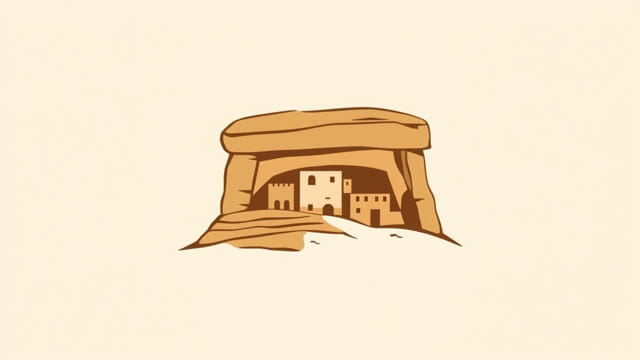
- Cliff Dwellings: Built into the sides of cliffs, these homes provided natural insulation and defense.
Agriculture and Food Supply
Farming in the Desert
The Anasazi were skilled farmers who learned how to grow food in the desert. They cultivated maize (corn), beans, and squash known as the ‘Three Sisters’ of Native American agriculture. These crops were nutritious and could be stored for long periods.
Irrigation Techniques
To support their farming efforts, the Anasazi developed sophisticated irrigation methods. They built check dams, canals, and reservoirs to capture and direct precious rainwater. Farming terraces helped prevent erosion and maximized arable land.
- Dry farming with runoff collection
- Stone-lined channels for irrigation
- Use of planting sticks to reach moist soil layers
Food Storage and Preservation
Surplus food was stored in sealed clay jars or stone-lined pits. Storage rooms were often built underground or within homes to keep them cool and dry. This helped the Anasazi survive drought years and seasonal shortages.
Social Structure and Community Life
Communal Living
The Anasazi lived in close-knit communities where cooperation was essential for survival. Homes were often connected, and multiple families shared courtyards, food, and tools. Tasks such as farming, construction, and pottery-making were shared among members of the community.
Kivas and Religious Life
Kivas were ceremonial rooms used for religious and social gatherings. Built underground with round shapes, they represented the underworld in Anasazi spiritual beliefs. Kivas were used by men for meetings, storytelling, and rituals related to agriculture and the cosmos.
- Central fire pit and ventilation systems
- Sipapu a symbolic hole representing the portal to the spirit world
- Ladders for access from above
Trade and Interaction
The Anasazi were active participants in regional trade. They exchanged goods such as pottery, woven textiles, turquoise, and feathers with neighboring cultures including the Hohokam and Mogollon peoples. This trade allowed for the spread of ideas, technology, and cultural practices.
Art, Pottery, and Toolmaking
Distinctive Pottery Styles
The Anasazi are known for their beautifully decorated pottery. Early styles featured simple black-on-white designs, which later evolved into more complex geometric and symbolic patterns. Pottery was both functional and ceremonial, used for cooking, storage, and rituals.
Textile and Basket Weaving
They also wove textiles from cotton and yucca fibers and created intricate baskets. These were essential for carrying food, tools, and personal items. The durability and craftsmanship of their baskets are evident in surviving examples found in dry cave environments.
Stone Tools and Weapons
The Anasazi made tools from stone, bone, and wood. Arrowheads, axes, grinding stones, and awls were crafted with care and passed down through generations. These tools were essential for hunting, farming, and daily living.
Architecture and Engineering
Advanced Building Techniques
Even without metal tools or draft animals, the Anasazi constructed impressive buildings. They used sandstone blocks, mud mortar, and wooden beams. Some structures, such as those in Chaco Canyon and Mesa Verde, demonstrate advanced knowledge of geometry, astronomy, and engineering.
Cliff Dwellings
The famous cliff dwellings of the later Anasazi period showcased their ingenuity. Built into the sides of steep cliffs, these homes offered security and insulation. Structures like Cliff Palace at Mesa Verde included rooms for living, storage, and ceremony.
- Strategic placement to maximize sunlight during winter
- Use of natural overhangs to reduce exposure to wind and rain
- Vertical ladders and narrow passageways for controlled access
Challenges and Decline
Environmental Stress
By the 13th century, the Anasazi faced increasing challenges. Prolonged droughts, soil depletion, and deforestation strained their resources. These environmental stresses may have contributed to migration and the abandonment of large settlements.
Migration and Legacy
Rather than disappearing, the Anasazi evolved into modern Pueblo peoples such as the Hopi and Zuni. These groups maintain many cultural traditions, including architecture, farming, and religious ceremonies. Their oral histories preserve knowledge about the ancestral ways of life.
The early Anasazi lived a complex and adaptive lifestyle that reflected deep knowledge of their environment and strong community values. Through their innovations in farming, architecture, and culture, they built a society that flourished in one of North America’s most challenging regions. Their legacy lives on in the ruins of their settlements and in the cultural practices of modern Pueblo tribes. Studying how the early Anasazi lived not only sheds light on a remarkable ancient civilization but also teaches timeless lessons about sustainability, cooperation, and resilience.