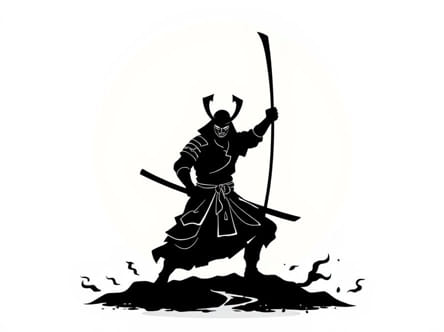
The phrase ‘Spirit of the Samurai’ carries with it echoes of ancient values, strict discipline, and unwavering loyalty. It reflects more than just warriors of feudal Japan; it embodies a philosophical path, a way of life rooted in principles that transcended the battlefield. The samurai were not only fighters but also scholars, poets, and spiritual seekers who shaped Japanese culture and left a legacy still admired today. Understanding the spirit of the samurai requires diving into their code, their conduct, and the inner world that drove them toward greatness, sacrifice, and honor.
Origins of the Samurai Tradition
The samurai emerged during Japan’s Heian period (7941185), but their influence became prominent during the Kamakura period and continued into the Edo period. As military nobility, they served the shogun and powerful lords known as daimyo. Over time, the samurai class developed a rigid set of rules and expectations, which became a blueprint for both personal behavior and military conduct. Their presence reshaped the structure of Japanese society, introducing a new era of discipline and governance.
The Bushido Code: Heart of the Samurai Spirit
Central to the spirit of the samurai wasBushido, meaning the way of the warrior. This unwritten code of moral principles guided the samurai in their daily actions. It wasn’t just about fighting well it was about living well, with clarity of purpose and loyalty to a higher ideal.
- Rectitude (Gi): A samurai was expected to act with integrity, even when no one was watching.
- Courage (Yu): Facing danger with a calm mind, knowing that fear must never override duty.
- Benevolence (Jin): Power was meant to be used for the good of others, not just self-gain.
- Respect (Rei): Politeness and consideration were not just social niceties they were sacred obligations.
- Honesty (Makoto): A samurai’s word was his bond. Deceit was seen as dishonorable.
- Honor (Meiyo): A samurai would rather die than live in disgrace.
- Loyalty (Chugi): Devotion to one’s lord, family, and cause was non-negotiable.
These virtues weren’t just ideals they were lived truths. A samurai who failed to uphold them could expect social ruin, or worse, be compelled to commit ritual suicide (seppuku) to restore honor.
The Daily Life of a Samurai
Contrary to popular belief, the life of a samurai wasn’t filled with nonstop combat. Much of their time was spent training, studying, and serving administrative roles. Samurai valued education highly. They read Chinese classics, practiced calligraphy, and studied philosophy. Martial training was equally important swordsmanship, archery, horseback riding, and later firearms were all part of their skillset.
The spirit of the samurai meant balance between the pen and the sword. This duality reflected their ideal of a complete warrior-scholar, someone capable of shaping the world through both intellect and force when necessary.
The Katana: More Than a Weapon
Few symbols are more closely associated with samurai than the katana. This curved, single-edged blade wasn’t just a tool for killing it was an extension of the samurai’s soul. Forged with great care and ritual, each katana was unique. A samurai treated his sword with the utmost respect, and losing it would be equivalent to losing one’s identity.
The spirit of the samurai was often said to reside in the blade. Drawing it required justification. Striking with it demanded restraint and precision. The katana embodied the discipline and responsibility that defined the warrior class.
Legacy in Modern Culture
Though the samurai class was abolished during the Meiji Restoration in the late 1800s, their values continue to echo throughout modern Japanese society. The spirit of the samurai has been immortalized in literature, film, and video games. It shapes contemporary martial arts and inspires people worldwide who admire courage, honor, and self-mastery.
Many Japanese companies even cite Bushido-like principles in their corporate philosophies. Loyalty to the organization, pursuit of perfection, and mutual respect remain cultural touchstones.
Samurai in Popular Media
Films such as Seven Samurai, The Last Samurai, and Yojimbo capture elements of samurai life, often dramatizing their moral struggles and philosophical outlook. Video games like Ghost of Tsushima and Sekiro: Shadows Die Twice explore samurai identity through modern storytelling, merging historical realism with spiritual introspection.
In these portrayals, the spirit of the samurai is often tested by external conflict and internal doubt exactly as it was centuries ago.
Lessons from the Samurai Ethos
In a world filled with distractions and rapid changes, the spirit of the samurai offers timeless wisdom. It reminds us to live with intention, take responsibility for our actions, and value loyalty and honesty in our dealings. While we may not wield swords or fight for feudal lords, we still face moral battles that require inner strength.
The samurai approach to life also emphasizes:
- Discipline: Cultivating habits that support long-term growth.
- Resilience: Enduring setbacks without losing purpose.
- Humility: Knowing that mastery is a lifelong journey, not a destination.
These principles are not relics of the past. They are keys to living a life of substance and integrity, no matter the century or culture.
Spiritual Dimensions of the Samurai Path
Many samurai practiced Zen Buddhism, which influenced their calmness under pressure and focus on living in the present moment. Zen meditation, with its emphasis on mindfulness and self-realization, paired naturally with the martial discipline of the samurai.
This spiritual grounding helped samurai face death without fear. Knowing that every moment could be their last, they sought to act with clarity and compassion. The warrior and the monk were not so different in this light both pursued mastery of the self.
Seppuku: The Final Expression of Honor
One of the most dramatic aspects of samurai life was the ritual of seppuku. This act of self-disembowelment was not about death, but about preserving honor in the face of disgrace. It was considered a noble end, undertaken voluntarily or as a sentence for betrayal or failure. The presence of this ritual demonstrates how deeply the samurai valued their code, even above life itself.
Seppuku was symbolic of ultimate responsibility a concept that continues to shape Japanese notions of accountability and personal pride.
Reviving the Samurai Spirit Today
The spirit of the samurai is not bound by time. It lives on in those who choose principle over convenience, discipline over indulgence, and service over selfishness. Whether in martial arts, business, or personal development, embracing this ancient mindset can lead to a life of deeper purpose and strength.
In a modern context, to walk the samurai path is to seek clarity, show respect, and cultivate unwavering resolve. It is to ask, not what life gives you, but how you meet life with courage, with honor, and with an unshakable sense of who you are.