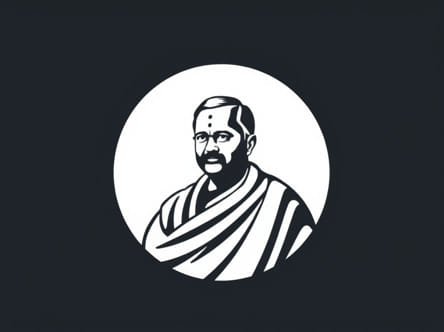
Among the many iconic images in Indian history, the photo of Swami Vivekananda stands out as one of the most powerful and enduring. Captured at a pivotal moment in time, his image represents more than just a man; it symbolizes a renaissance of Indian spirituality, intellect, and national pride. For generations, this photo has inspired movements, adorned educational institutions, and been revered as a symbol of strength and confidence. The legacy of Swami Vivekananda is intricately tied to his visual identity an image that continues to evoke deep admiration and reflection.
Historical Background of the Photograph
Swami Vivekananda’s most recognized photograph was taken during his journey to the West in the late 19th century. This period was marked by his famous appearance at the World’s Parliament of Religions in Chicago in 1893, where his opening words, ‘Sisters and Brothers of America,’ left an indelible mark on global religious discourse. The photo, featuring him in traditional attire with a regal and composed expression, was widely circulated after his return to India and became a visual rallying point for the youth and reformers of the nation.
Symbol of Strength and Cultural Identity
The image of Swami Vivekananda dressed in a turban and robe reflects not only his personal charisma but also the pride he had in Indian culture and spiritual heritage. At a time when colonial rule had suppressed native identity, the photo served as a reminder that Indian philosophy and tradition held global relevance. It came to symbolize a proud return to indigenous wisdom and self-respect.
- The traditional dress showcased cultural authenticity.
- His gaze and posture radiated intellectual authority and calmness.
- The photo challenged Western perceptions of India as inferior or backward.
Spiritual and Philosophical Implications
Swami Vivekananda’s teachings, deeply rooted in Vedanta and yoga, found visual expression in this iconic photograph. His serene composure and focused demeanor in the photo mirrored the values he championed: inner strength, self-realization, and universal brotherhood. The image became a powerful tool for spreading his spiritual philosophy without uttering a word.
Even today, the photo is found in meditation rooms, temples, and homes across India and beyond. Many followers use the image as a focal point for contemplation and inspiration. It is often said that merely looking at the photo instills a sense of peace and purpose.
The Role of the Photo in Indian Nationalism
As the Indian independence movement gained momentum, leaders such as Subhas Chandra Bose and Mahatma Gandhi referenced Vivekananda’s life and ideals. His photograph became a symbol of courage, discipline, and fearlessness qualities essential for a nation striving for freedom. Educational institutions began displaying the photo in classrooms to instill patriotic values among students.
By linking spiritual strength with social reform and political awakening, the photo transcended its original context. It came to embody the ideal of a balanced, morally upright leader spiritual yet pragmatic, traditional yet forward-thinking.
The Legacy in Modern India
In contemporary India, Swami Vivekananda’s photo continues to be widely respected and used. Government programs, youth initiatives, and cultural events often invoke his image to represent values such as resilience, unity, and knowledge. The photo is commonly used on National Youth Day, observed on his birthday, January 12, as a celebration of his enduring influence.
Representation in Art and Media
Beyond the original photograph, various paintings, statues, and digital representations have drawn from this visual foundation. While some adaptations stylize or modernize the image, the original photo remains the most revered and widely recognized depiction of the monk. Its aesthetic has inspired sculptures in public parks, busts in educational campuses, and even stamps issued by the Indian government.
- Numerous postage stamps have featured the photo or variations of it.
- Documentaries often open with the iconic image to set the tone.
- Modern Indian art draws frequently on the photo for exhibitions and murals.
Psychological Impact on Youth
Many young Indians report being deeply moved by the photo of Swami Vivekananda. The sense of calm power it exudes often serves as a source of encouragement during times of doubt or failure. Motivational speakers frequently refer to the image as a visual reminder of the boundless potential within every individual.
Educational institutions and student groups sometimes organize sessions where they reflect on the values represented by the image. It is seen not only as a symbol of an individual sage but also as an embodiment of timeless virtues such as determination, spiritual clarity, and moral responsibility.
Continued Use in Public and Private Spaces
Whether placed on a personal desk, in a community center, or at a spiritual retreat, the photo holds a respected space. It serves both as a decorative item and as a philosophical artifact representing the fusion of aesthetics, identity, and meaning. In a rapidly changing world, the calm and strength captured in this historic image remains a touchstone for many seeking stability and inspiration.
The photo of Swami Vivekananda is not merely a historical artifact; it is a living symbol that continues to shape hearts and minds across generations. Its enduring relevance lies in its ability to visually convey complex ideals national pride, spiritual wisdom, inner peace, and unshakable resolve. As long as the values of knowledge, service, and integrity remain vital to humanity, the photo of Swami Vivekananda will continue to illuminate the path for countless individuals seeking direction and purpose.