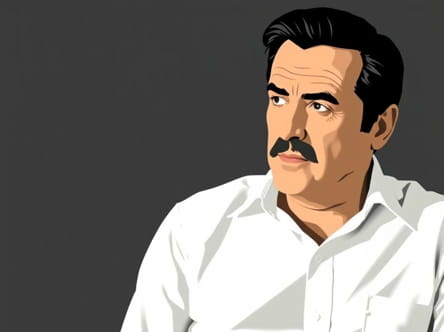
When two titans of the film industry like Robert De Niro and Quentin Tarantino come together, the result is bound to attract attention. De Niro, a legendary actor with decades of iconic roles, and Tarantino, a director known for his stylized storytelling and sharp dialogue, represent different yet complementary facets of cinema. Their collaboration, although limited in quantity, offers deep insight into the intersection of old-school method acting and bold, postmodern direction. Exploring their connection reveals not only a unique cinematic moment but also the fusion of two powerful artistic legacies.
The First Collaboration: Jackie Brown
Inside the World of Tarantino’s Crime Universe
Robert De Niro and Quentin Tarantino first crossed paths on screen in the 1997 filmJackie Brown, Tarantino’s third feature and his adaptation of Elmore Leonard’s novelRum Punch. The film marked a tonal shift from the explosive style ofPulp FictionandReservoir Dogs, presenting a more mature and subdued story of crime, aging, and betrayal.
In the film, De Niro played Louis Gara, a recently released convict who becomes entangled in a money smuggling scheme. Unlike his usual roles as commanding figures or intense personalities, De Niro’s Louis is a passive, almost pathetic character. He’s confused, quiet, and awkward qualities that made the performance both fascinating and uncomfortable.
Why Louis Gara Stands Out
De Niro’s performance inJackie Brownwas a departure from his typical strongman roles. Under Tarantino’s direction, he leaned into subtlety, making Louis one of his most understated and tragic characters. Rather than stealing the spotlight, De Niro blended into the ensemble cast, showcasing his versatility as an actor.
Tarantino allowed De Niro to explore the character without flashy dialogue or big action scenes. In fact, one of the most memorable moments in the film is how Louis responds to pressure quietly, violently, and with a chilling normalcy. It was a risk that paid off, contributing to the film’s layered, noir-inspired atmosphere.
Tarantino’s Style vs. De Niro’s Method
Different Philosophies in One Frame
Quentin Tarantino is known for his sharp, witty scripts and stylized violence. His characters often talk at length, delivering monologues filled with pop culture references, dark humor, and philosophical insight. On the other hand, Robert De Niro comes from the school of method acting, focusing on psychological depth, body language, and internal emotion.
This contrast was part of what made their collaboration so interesting. While Tarantino crafted the world and dialogue, De Niro brought grounded realism and emotional complexity. Their partnership inJackie Browndemonstrated how two different creative methods could coexist without clashing.
Respect Between Artist and Director
Both men have spoken respectfully of each other. Tarantino has acknowledged De Niro’s status as one of the greatest actors of all time, while De Niro praised Tarantino’s writing and willingness to take risks. Even though their filmographies only intersected once, the collaboration stood out because of the creative chemistry and mutual respect.
Potential for Future Collaborations
Why Fans Still Hope for More
SinceJackie Brown, fans have speculated whether Robert De Niro and Quentin Tarantino would team up again. Tarantino has worked with other iconic actors multiple times Samuel L. Jackson, Uma Thurman, Leonardo DiCaprio but De Niro remains a one-time collaborator. Many hope that Tarantino’s upcoming final film might include De Niro once again.
As Tarantino has hinted that his tenth and final movie may reflect on the history of cinema, casting De Niro an actor deeply connected to film history would make perfect sense. Whether as a major character or a symbolic cameo, De Niro’s presence would tie Tarantino’s career together in a powerful way.
Why They Should Reunite
- De Niro’s range: He can play both commanding and vulnerable characters, perfect for Tarantino’s layered scripts.
- Tarantino’s storytelling: His narratives often rely on veteran actors to carry emotional weight.
- Nostalgia and legacy: Both men are cinematic icons. A reunion would excite both fans and critics.
Jackie Brown in Retrospect
A Film That Grows Over Time
At its release,Jackie Brownwas met with modest box office numbers compared toPulp Fiction, but over time, it has grown in critical appreciation. Many now consider it one of Tarantino’s most emotionally rich films. De Niro’s contribution to this reputation is often underrated but deeply important.
His portrayal of Louis is part of what grounds the film. He isn’t the flashy villain or the clever antihero he’s a broken man trying to find his place in a world that’s moved on. In that, De Niro delivered something rare: a quiet performance that still resonates long after the credits roll.
Robert De Niro’s Career Beyond Tarantino
A Career Spanning Generations
Robert De Niro’s legacy is unmatched. From his early work with Martin Scorsese to more recent films likeThe IrishmanandKillers of the Flower Moon, he continues to evolve as an actor. His ability to adapt to different genres from crime dramas to comedies has kept him relevant across decades.
Working with Tarantino allowed him to experiment within a very specific cinematic voice. Even though he’s appeared in hundreds of roles, his work inJackie Brownholds a unique place precisely because it was so unlike anything else he had done before.
Quentin Tarantino’s Career and Final Chapter
The Future of a Legendary Director
Tarantino has long claimed he will retire after ten films. As of now, he’s completed nine. This self-imposed limit has made speculation around his next movie more intense. Whether it’s a return to genre filmmaking or a reflective drama about Hollywood, casting choices will be key.
Including Robert De Niro in his final project would be a powerful nod to film history. It would connect Tarantino’s early career with the wider legacy of American cinema, offering one last collaboration that bridges generations of filmmaking.
A Unique Intersection of Talent
Robert De Niro and Quentin Tarantino may only have shared one film together, but that collaboration left a lasting impression. It proved that two very different creative forces could come together to create something distinct, grounded, and memorable. Their work onJackie Brownis a testament to the power of creative risks and the value of mutual respect in film.
As Tarantino approaches the end of his directing career, fans continue to dream of one more reunion. If it happens, it could be one of the most talked-about cinematic moments in years. Regardless of what the future holds, the meeting of De Niro and Tarantino remains a fascinating chapter in the story of modern cinema.