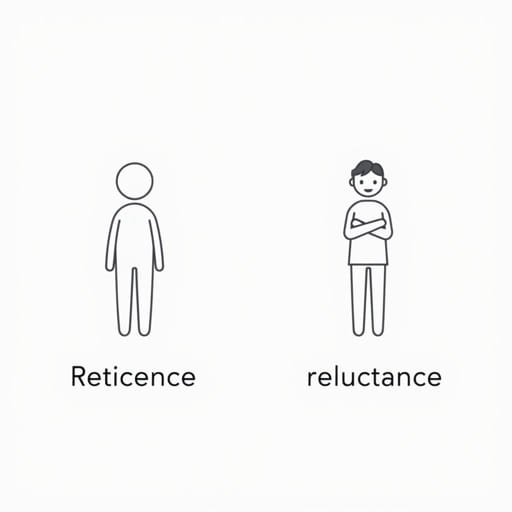
In English, words can often be deceptively similar, both in sound and in spelling, yet carry different meanings. This is especially true with the words ‘reticence’ and ‘reluctance.’ While they are sometimes used interchangeably in everyday speech, their meanings, origins, and implications differ in subtle yet important ways. Understanding the difference between reticence and reluctance can help improve clarity in both spoken and written language, especially in academic, professional, and personal communication. Both words reflect hesitation, but they stem from different motivations and emotional contexts. Let’s explore the distinction in depth.
Understanding Reticence
Definition and Meaning
Reticence refers to the quality of being reserved or inclined to remain silent. A person who exhibits reticence tends to withhold their thoughts, emotions, or opinions, either from modesty, caution, or a desire for privacy. It does not necessarily mean that the person is unwilling to act; instead, it reflects a preference for minimal expression.
Examples of Usage
- Her natural reticence made her seem aloof, though she was simply shy.
- Despite the controversy, the official’s reticence was interpreted as professionalism.
Emotional Tone
The emotional tone of reticence is often neutral or positive. It may suggest dignity, thoughtfulness, or discretion. Unlike reluctance, which implies hesitation about doing something, reticence implies a quiet presence or withholding of speech or action without resistance.
Understanding Reluctance
Definition and Meaning
Reluctance is the feeling or expression of hesitation or unwillingness to do something. It often suggests internal conflict, resistance, or fear about performing a task or agreeing to a request. It is active hesitation that may lead to avoidance or delay.
Examples of Usage
- He agreed to help with reluctance, clearly not eager to get involved.
- There was reluctance among staff to adopt the new policy due to lack of clarity.
Emotional Tone
Reluctance generally carries a slightly negative tone, often associated with discomfort, anxiety, or disapproval. It suggests that an individual is dragging their feet, mentally or emotionally, before taking an action they are not comfortable with.
Key Differences Between Reticence and Reluctance
1. Nature of Hesitation
The most significant difference lies in the kind of hesitation being expressed. Reticence is about holding back speech or expression, while reluctance is about hesitating to act or decide. Reticence is more about silence; reluctance is about resistance.
2. Internal Motivation
Reticence often stems from personality traits such as shyness, modesty, or introversion. In contrast, reluctance arises from doubt, fear, or disapproval of a certain action or outcome. Thus, the motivation behind each word is distinct.
3. Usage Contexts
Reticence is more likely used in formal writing or when describing social behavior. Reluctance appears frequently in situations involving decisions, obligations, or emotional resistance. For example, you might be reticent during a public speech, but reluctant to sign a controversial contract.
4. Action vs. Expression
Reticence typically implies a lack of verbal or expressive action. It’s a silent quality. Reluctance, however, implies a hesitation that affects actual decision-making or physical actions. It may involve verbal protest, delay, or refusal.
Common Misunderstandings
Many English learners and even native speakers confuse the two because both deal with holding back in some way. But using them interchangeably can lead to misunderstandings. Saying someone is ‘reluctant to speak’ may imply they disagree with speaking or dread it, whereas ‘reticent to speak’ implies they are naturally quiet or reserved.
Synonyms and Related Words
Words Similar to Reticence
- Reserve
- Silence
- Introversion
- Taciturnity
- Discretion
Words Similar to Reluctance
- Unwillingness
- Hesitation
- Resistance
- Disapproval
- Inertia
Reticence and Reluctance in Literature
Authors often use reticence to create characters who are mysterious, dignified, or emotionally complex. Reluctance, on the other hand, is used to depict characters who are conflicted or face moral dilemmas. In both cases, understanding these subtleties enhances interpretation.
Literary Example of Reticence
She answered with reticence, her voice barely audible in the vast silence of the room. This suggests quietness and inner privacy.
Literary Example of Reluctance
He picked up the letter with great reluctance, unsure if he could bear what it said. This suggests emotional hesitation and dread of action.
Practical Tips for Choosing the Right Word
- Usereticencewhen referring to speech, disclosure, or social interaction, especially when silence is chosen out of preference or personality.
- Usereluctancewhen referring to action, especially when it involves decision-making or resistance to doing something.
- Reticence is often associated with character traits; reluctance is typically tied to temporary feelings or situations.
Why This Difference Matters
Using the correct word is not just about vocabulary it’s about precision. In professional and academic contexts, misusing these terms can make your meaning unclear or suggest the wrong emotional undertone. For instance, saying a witness is ‘reluctant’ instead of ‘reticent’ might wrongly imply refusal rather than shyness.
Though ‘reticence’ and ‘reluctance’ may appear similar, they are not interchangeable. Reticence is about quietness or restraint in communication, while reluctance deals with hesitation or unwillingness to perform an action. Their distinct emotional tones and usage contexts make them important to differentiate. Recognizing this difference enriches your understanding of English and improves your ability to communicate with clarity and nuance. Whether you’re writing an essay, giving a presentation, or having a conversation, choosing the right word can make all the difference.