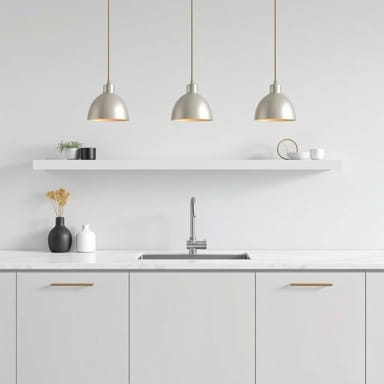
In today’s modern kitchen designs, the choice of countertop material can significantly influence the look, functionality, and value of the entire space. Among the wide range of materials available, quartz slab for kitchen countertops stands out as one of the most popular options. Durable, visually appealing, and easy to maintain, quartz has become a top preference for homeowners and interior designers who want both style and substance in their kitchens. Whether used in a contemporary minimalist setting or a traditional culinary space, quartz provides a versatile and long-lasting solution for kitchen surfaces.
What is a Quartz Slab?
A quartz slab is a man-made engineered stone surface composed primarily of natural quartz crystals combined with resin binders and pigments. Unlike natural stone slabs, quartz slabs are non-porous and manufactured under controlled conditions, which ensures consistent color, texture, and quality. These slabs are often produced in large sizes, which makes them suitable for expansive kitchen islands, long countertops, and integrated backsplash designs.
Main Components of Quartz Slabs
- Natural Quartz (approximately 90%): Provides strength and durability.
- Polymer Resins: Bind the quartz ptopics together.
- Pigments: Add color and mimic the look of natural stone like granite or marble.
Advantages of Using Quartz Slabs in Kitchens
When selecting materials for your kitchen, durability, hygiene, and appearance are key factors. Quartz slabs offer numerous benefits that make them ideal for kitchen environments.
Durability and Longevity
Quartz is one of the hardest minerals found on Earth, making it extremely resistant to scratches, chips, and cracks. A quartz slab can handle the daily wear and tear of a busy kitchen without showing signs of damage. This resilience ensures that the countertop maintains its original look for years with minimal maintenance.
Stain Resistance
Because quartz slabs are non-porous, they do not absorb liquids or stains like natural stone surfaces such as marble or granite. Spilled wine, oil, or juice can be easily wiped away without leaving a permanent mark. This feature makes quartz an excellent choice for cooking and food preparation areas.
Low Maintenance
Unlike natural stone countertops that require periodic sealing, quartz slabs require virtually no maintenance. Regular cleaning with mild soap and water is enough to keep the surface looking clean and polished. There’s no need for special treatments or cleaning agents.
Consistent Appearance
Natural stone varies in pattern and color, which can be a drawback for some homeowners looking for uniformity. Quartz slabs are engineered to offer consistent colors and textures, which simplifies the design process and ensures a cohesive look across the entire kitchen.
Wide Range of Design Options
Quartz slabs come in a vast array of colors, finishes, and patterns. From solid neutral tones to dramatic veining that mimics marble, there’s a quartz option to suit every style. Whether you want a modern minimalist kitchen or a more rustic farmhouse look, quartz offers plenty of design flexibility.
Quartz Slab Applications in the Kitchen
Quartz slabs can be used in a variety of ways to enhance the functionality and beauty of your kitchen. While countertops are the most common application, there are other innovative uses as well.
Kitchen Countertops
The most popular use of quartz slabs is for kitchen countertops. Their smooth surface and durability make them ideal for food preparation, cooking, and cleaning. Edge styles can also be customized to complement your cabinetry and design theme.
Kitchen Islands
Quartz slabs are available in large sizes, which allows for seamless installations on kitchen islands without visible joints. These islands often serve as the centerpiece of the kitchen, and a well-chosen quartz surface can enhance its visual appeal.
Backsplashes
Installing quartz slabs as backsplashes creates a clean and luxurious look. Since the material is non-porous, it protects the walls from moisture, grease, and spills while maintaining a high-end finish.
Waterfall Edges
Waterfall edges are a contemporary design feature where the quartz slab flows over the edge of the countertop and down to the floor. This creates a sleek, continuous look and adds a touch of modern elegance to the kitchen.
Comparing Quartz to Other Materials
When considering a quartz slab for kitchen use, it helps to understand how it compares to other popular countertop materials such as granite, marble, and laminate.
Quartz vs. Granite
- Maintenance: Quartz requires less maintenance since it doesn’t need sealing.
- Appearance: Quartz offers more consistency in color and design.
- Durability: Both are durable, but quartz is less likely to crack or stain.
Quartz vs. Marble
- Stain Resistance: Quartz is more resistant to staining due to its non-porous surface.
- Cost: Quartz tends to be more affordable than high-end marble.
- Maintenance: Quartz does not require polishing or sealing like marble.
Quartz vs. Laminate
- Durability: Quartz is far more durable and heat resistant than laminate.
- Appearance: Quartz offers a more luxurious and high-end look.
- Lifespan: Quartz typically lasts much longer.
Installation Considerations
Installing a quartz slab for kitchen use is not typically a DIY project. Due to the weight and precision required, professional installation is recommended. Quartz slabs must be properly measured and cut to fit cabinetry, sinks, and appliances. Mistakes in measurement can lead to costly errors, so hiring experienced professionals is a wise choice.
Support and Cabinetry
Quartz is a heavy material. Make sure your kitchen cabinets are strong enough to support the weight of the slab. Reinforcements may be necessary for longer spans or overhangs.
Seam Placement
Large kitchen countertops may require multiple slabs, which means there will be seams. A skilled fabricator will ensure that seams are placed in less visible areas and matched closely in color and pattern for a seamless look.
Cost and Value
Quartz slabs are generally more expensive than laminate but are competitively priced compared to granite and marble. The investment in quartz pays off through its long-term durability, minimal maintenance, and aesthetic appeal. It can also increase the resale value of your home, as quartz is considered a premium material by most homebuyers.
Cost Factors
- Slab thickness and size
- Color and pattern complexity
- Installation labor and customization
A quartz slab for kitchen countertops and islands offers a winning combination of strength, style, and ease of care. Its wide range of colors and finishes allows for creative design, while its durability ensures long-lasting beauty. Whether you are remodeling an existing kitchen or designing a new one, quartz is a smart and stylish choice for any home. It elevates both the look and performance of your kitchen, making it a space you’ll enjoy for many years to come.