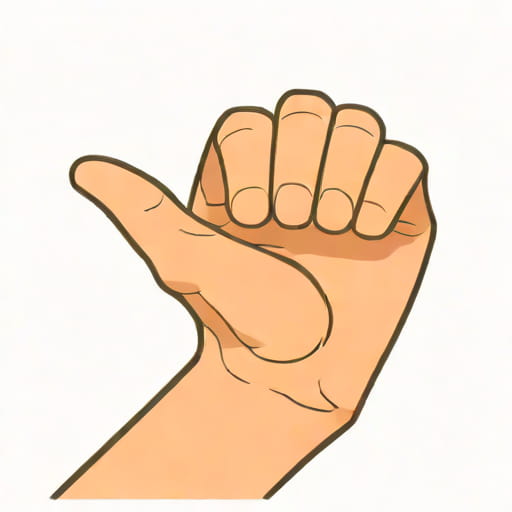
Muscle twitching between the thumb and forefinger is a common experience that can happen to anyone, often without warning. Many people feel a brief flutter, a small spasm, or a series of rapid movements in this area and immediately wonder whether it signals something serious. In most cases, this type of hand muscle twitch is harmless and temporary, often linked to everyday factors like stress, fatigue, or overuse. Still, understanding why these twitches occur and how to manage them can bring peace of mind and promote better hand health overall.
What Causes Muscle Twitching Between the Thumb and Forefinger?
Muscle twitching, also known as fasciculation, is a small, involuntary contraction of a muscle or a group of muscle fibers. When it occurs between the thumb and forefinger, it often involves the first dorsal interosseous muscle or nearby small hand muscles responsible for grip and finger movement.
1. Muscle Fatigue or Overuse
One of the most common causes of twitching in the thumb and forefinger area is simple overuse. Repetitive motions, such as typing, gaming, texting, or gripping tools, can strain the small muscles of the hand. After prolonged activity, the muscles may begin to twitch as they recover.
2. Stress and Anxiety
Stress triggers the release of adrenaline and other chemicals that heighten nerve activity. When nerves become overactive, tiny muscles especially those in the hands and face may twitch. People under emotional or mental pressure often report increased hand muscle spasms.
3. Caffeine Intake
Caffeine stimulates the nervous system. Consuming too much coffee, tea, energy drinks, or pre-workout supplements can cause hand muscle twitching as nerves fire more rapidly than usual.
4. Dehydration or Electrolyte Imbalance
Muscles rely on electrolytes such as magnesium, potassium, and calcium to contract smoothly. When these minerals drop too low often due to dehydration, sweating, or poor diet the hand muscles may twitch.
5. Lack of Sleep
Sleep gives the nervous system time to reset. If someone does not sleep enough, nerve signals may misfire, leading to small, involuntary contractions in sensitive areas like the hands.
6. Nerve Irritation or Compression
Nerves in the hand and wrist can become irritated from repetitive motions, awkward wrist positions, or pressure from leaning on the elbows. Conditions such as carpal tunnel syndrome or ulnar nerve compression may contribute to occasional twitching between the thumb and forefinger.
7. Nutritional Deficiencies
A lack of certain nutrients especially B vitamins and magnesium can affect nerve health. When nerves do not function properly, muscle twitching may become more noticeable.
8. Medications or Stimulants
Some medications increase nerve sensitivity or stimulate muscle movement. These include certain asthma medications, antidepressants, or stimulants used for focus and alertness.
Is Muscle Twitching Between the Thumb and Forefinger Serious?
In most cases, this symptom is harmless and resolves on its own. Temporary twitching that lasts minutes or comes and goes can usually be traced to fatigue, caffeine, stress, or repetitive hand activity. However, persistent twitching or twitching combined with other symptoms may require medical attention.
Signs That Twitching Is Probably Harmless
- It occurs after heavy use of the hands
- The twitching lasts only a few seconds or minutes
- It improves with rest, stretching, or hydration
- It appears during stressful moments or after caffeine
- It happens occasionally rather than constantly
When You Should Seek Medical Advice
Although rare, ongoing or severe muscle twitching may indicate a deeper issue, particularly if accompanied by weakness or numbness. Consider speaking to a healthcare professional if you experience
- Persistent twitching lasting several weeks
- Muscle weakness in the thumb, hand, or wrist
- Numbness or tingling
- Loss of grip strength
- Twitching in multiple areas of the body
- Recent injury to the neck, shoulder, or arm
These symptoms can occasionally be linked to nerve compression or other nerve-related concerns that benefit from early evaluation.
Muscles Involved in Twitching Between the Thumb and Forefinger
The region between the thumb and forefinger is controlled by several small but important muscles. The most commonly involved muscles include
- First dorsal interosseousresponsible for spreading the index finger away from the others.
- Adductor pollicishelps bring the thumb inward toward the hand.
- Lumbricalsassist with finger bending and straightening.
Because these muscles perform detailed, precise movements, they are sensitive to strain and easily affected by changes in nerve or muscle balance.
How to Reduce or Stop Thumb and Forefinger Muscle Twitching
If the twitching is bothersome or frequent, several simple strategies can help calm the muscles and support overall hand function.
1. Rest Your Hands
Pausing from activities that strain the hand such as typing, holding a phone, or playing video games gives the muscles time to relax. Even short breaks throughout the day can make a significant difference.
2. Stretching and Gentle Hand Exercises
Stretching reduces muscle tension and improves blood flow. Useful exercises include
- Finger extensions
- Thumb stretches
- Wrist rotations
- Palm opening and closing
These movements help reset muscle fibers that may be firing excessively.
3. Stay Hydrated
Drinking enough water supports proper nerve and muscle function. Dehydration often contributes to muscle spasms, especially on hot days or after exercise.
4. Reduce Caffeine Intake
If twitching tends to happen after coffee or energy drinks, cutting back gradually may help calm nerve activity and reduce spasms.
5. Improve Sleep Habits
Getting adequate rest allows the nervous system to reset. Even small improvements in sleep quality can reduce twitching episodes.
6. Warm Compresses
Applying gentle heat to the hand relaxes tight muscles and eases nerve irritation. A warm washcloth or heating pad works well.
7. Evaluate Ergonomics
Hand position matters. Adjust your keyboard, mouse, or workspace to reduce strain on the wrist and fingers. Avoid bending the wrist sharply for long periods.
8. Consider Nutritional Support
Eating foods rich in magnesium, potassium, and vitamins B6 and B12 may help regulate nerve activity. Supplements can be useful but should be discussed with a healthcare professional.
Prevention Tips for Future Muscle Twitching
Once twitching improves, maintaining good habits can help prevent recurrence. Useful preventive steps include
- Taking regular breaks during repetitive tasks
- Practicing hand and wrist exercises daily
- Managing stress with relaxation techniques
- Maintaining a balanced diet
- Keeping caffeine consumption moderate
Preventive care keeps the small hand muscles functioning smoothly and reduces the likelihood of future spasms.
Understanding the Role of Stress and Nerves
Many people are surprised to learn how powerfully stress affects the hands. The area between the thumb and forefinger contains nerves that are responsive to emotional tension. When the body enters a stressed state, these nerves begin firing rapidly, often leading to small spasms. This is especially true for individuals who clench their hands or grip objects tightly during stressful moments.
Practices such as deep breathing, stretching, and periods of mindfulness can significantly reduce nerve-related twitching over time.
Muscle twitching between the thumb and forefinger is usually a minor, temporary issue caused by everyday factors such as fatigue, stress, dehydration, or repetitive hand movements. Although the sensation can be annoying or unexpected, it is typically not a sign of serious medical concerns. By understanding the causes, practicing healthy habits, and paying attention to how the hands are used throughout the day, most people can reduce or eliminate twitching. When symptoms persist or are accompanied by weakness or numbness, seeking medical guidance ensures proper evaluation and peace of mind.