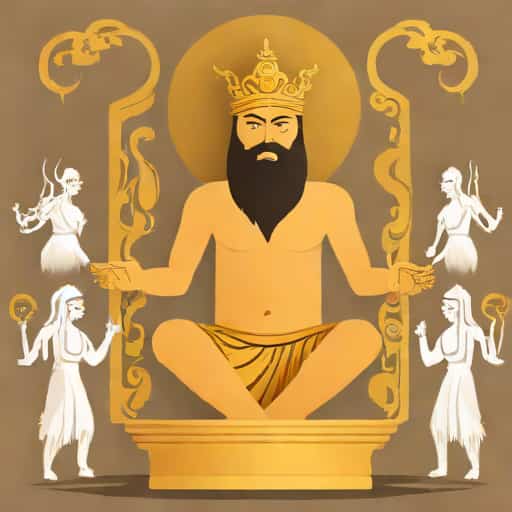
Across human history, civilizations have expressed their deepest beliefs through ritual, symbolism, and myth. When exploring topics such as Dionysian rituals and the Golden Zeus of China, we step into a comparative world of ancient spirituality, where different cultures attempted to understand chaos, order, ecstasy, and divine authority. Though these traditions emerged in distant lands, they reveal shared human concerns about transformation, power, and the relationship between gods and mortals.
Dionysian Rituals in Ancient Greek Culture
Dionysian rituals originated in ancient Greece and were centered around Dionysus, the god of wine, fertility, ecstasy, and transformation. Unlike the orderly worship associated with Olympian gods such as Apollo, Dionysian rituals embraced emotion, excess, and altered states of consciousness.
These rituals were not merely celebrations; they were spiritual experiences meant to dissolve social boundaries and connect participants with divine energy.
Key Characteristics of Dionysian Rituals
- Music, drumming, and rhythmic chanting
- Dancing to the point of trance or ecstasy
- Symbolic use of wine as a sacred substance
- Temporary suspension of social norms
The Purpose Behind Dionysian Worship
Dionysian rituals served as a release from the rigid structures of Greek society. Participants believed that through ritual madness, or divine frenzy, they could access truth beyond rational thought.
This form of worship allowed individuals to experience unity with nature, with each other, and with Dionysus himself.
Symbolism of Dionysus
Dionysus symbolized both creation and destruction. He was associated with life-giving vines and intoxicating wine, but also with chaos and loss of control.
This duality made Dionysian rituals both feared and revered within Greek culture.
Understanding the Concept of the Golden Zeus of China
The phrase Golden Zeus of China is not a traditional term from classical Chinese mythology, but it is often used as a comparative or symbolic concept. It typically refers to supreme divine authority in Chinese belief systems, especially when viewed through a Western lens.
In Chinese tradition, supreme power was associated with heavenly rulers such as the Jade Emperor, who governed the cosmos with order and moral authority.
The Jade Emperor and Divine Order
The Jade Emperor holds a role similar to Zeus in Greek mythology, as a ruler of heaven and overseer of gods and humans. Unlike Dionysus, this figure represents stability, hierarchy, and cosmic balance.
The association with gold symbolizes purity, immortality, and heavenly perfection rather than material wealth alone.
Attributes of the Jade Emperor
- Supreme authority over heaven
- Guardian of cosmic law and order
- Judge of moral behavior
- Symbol of harmony between heaven and earth
Why the Term Golden Zeus of China Exists
The idea of a Golden Zeus of China arises mainly in comparative mythology. Scholars and storytellers use familiar Western gods to help explain unfamiliar Eastern concepts.
Gold is often used to emphasize divinity and supremacy, aligning the image with Zeus while adapting it to Chinese symbolism.
Contrasting Ritual and Authority
When comparing Dionysian rituals and the Golden Zeus of China, the contrast is striking. Dionysian worship celebrates disorder, emotional release, and transformation.
In contrast, Chinese heavenly authority emphasizes discipline, hierarchy, and moral responsibility.
Ecstasy Versus Harmony
Dionysian rituals encouraged participants to lose themselves in ecstatic experience. The goal was transcendence through chaos.
Chinese divine authority focused on harmony, balance, and self-control as the path to spiritual fulfillment.
Social Impact of Dionysian Rituals
Dionysian festivals temporarily erased class and gender divisions. Slaves and citizens, men and women, could all participate equally.
This made the rituals socially disruptive but spiritually powerful.
Social Role of Heavenly Authority in China
In contrast, the concept represented by the Golden Zeus of China reinforced social order. The heavenly ruler mirrored the earthly emperor, promoting obedience and moral behavior.
Religion and governance were deeply interconnected.
Ritual Expression Versus Moral Governance
Dionysian rituals were experiential, relying on physical movement and emotional intensity.
Chinese worship of supreme deities focused more on ritual propriety, offerings, and moral cultivation.
Shared Themes Beneath the Differences
Despite their contrasts, both traditions address fundamental human concerns. Both seek connection with higher powers and understanding of humanity’s place in the universe.
Transformation, whether through ecstatic release or moral refinement, is central to both.
Influence on Art and Literature
Dionysian rituals inspired Greek theater, especially tragedy, which explored madness, fate, and divine intervention.
Chinese heavenly mythology influenced poetry, philosophy, and imperial symbolism for centuries.
Modern Interpretations
Today, Dionysian rituals are often discussed in psychology and philosophy as symbols of the unconscious and emotional freedom.
The Golden Zeus of China is frequently referenced in discussions of comparative mythology and cultural symbolism.
Why This Comparison Matters
Studying Dionysian rituals and the Golden Zeus of China side by side helps highlight how different cultures approached similar existential questions.
One embraced chaos as sacred, while the other elevated order as divine.
Lessons for the Modern World
Modern societies still balance structure and freedom, reason and emotion. These ancient traditions remind us that both elements are necessary.
Too much order can suppress creativity, while too much chaos can lead to destruction.
Dionysian rituals and the Golden Zeus of China represent two powerful but contrasting visions of the divine. One celebrates ecstasy, transformation, and emotional release, while the other embodies authority, harmony, and cosmic order.
Together, they reveal the richness of human spirituality and the many ways cultures have sought meaning, balance, and connection with the divine. By exploring these traditions, we gain deeper insight into both ancient belief systems and the enduring complexity of human nature.