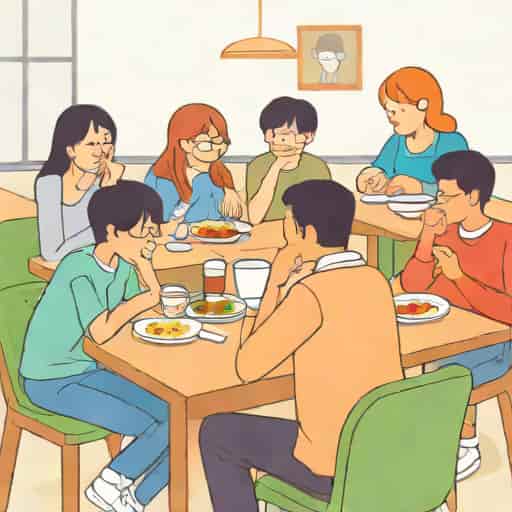
In many schools, especially at the junior high school level, teachers and administrators often notice students eating themselves in the classroom, meaning students eating their own snacks or meals during class time rather than in designated areas. This behavior has become more common due to busy schedules, academic pressure, and changing school routines. While it may seem harmless at first, eating in the classroom raises important questions about health, discipline, learning focus, and school culture that deserve careful discussion.
Understanding Classroom Eating Among JHS Students
Junior high school students are at a transitional age where independence increases but self-regulation is still developing. Eating themselves in the classroom often reflects convenience rather than intentional rule-breaking.
What Classroom Eating Looks Like
This behavior may include students bringing snacks from home, buying food before class, or saving part of their lunch to eat later during lessons. In many cases, it happens quietly and without disruption, but it can still affect the classroom environment.
- Snacking during lectures
- Eating breakfast late in the morning
- Consuming packaged or homemade food
Why JHS Students Eat in the Classroom
There are several reasons why junior high school students eat themselves in the classroom. These reasons often relate to time management, physical needs, and school schedules.
Busy Morning Routines
Many students skip breakfast due to early start times or rushed mornings. By the time class begins, hunger becomes a distraction, leading students to eat during lessons.
Academic Pressure and Tight Schedules
Short lunch breaks, back-to-back classes, and extracurricular activities may leave students with little time to eat properly.
Growth and Energy Needs
Adolescents experience rapid physical growth, increasing their need for calories and nutrients. Hunger can strike unexpectedly, especially during long class periods.
Potential Benefits of Allowing Eating in Class
While often discouraged, there are arguments in favor of allowing limited classroom eating under certain conditions.
Improved Concentration
Hunger can make it difficult for students to focus. A small snack may help improve attention and participation.
Supporting Student Well-Being
Allowing students to eat when necessary can show understanding of their physical needs and promote a supportive learning environment.
Challenges and Concerns
Despite potential benefits, eating themselves in the classroom also presents challenges for teachers and schools.
Distractions During Lessons
The sound of wrappers, movement, and shared food can distract both the eater and other students.
Cleanliness and Hygiene Issues
Food crumbs, spills, and odors can create an untidy classroom and attract insects.
- Messy desks and floors
- Unpleasant smells
- Increased cleaning responsibilities
Equity and Fairness
Not all students have access to snacks, which can create feelings of exclusion or unfairness when others eat openly.
Health and Nutrition Considerations
What students eat in the classroom matters as much as when they eat.
Types of Food Commonly Brought to Class
Many students choose convenient packaged snacks, which are often high in sugar, salt, or artificial ingredients.
Encouraging Healthier Choices
Schools can guide students toward healthier snack options that support learning rather than cause energy crashes.
- Fruits and vegetables
- Whole-grain snacks
- Water instead of sugary drinks
School Policies on Classroom Eating
Policies regarding eating in the classroom vary widely between schools and regions.
Strict No-Food Policies
Some schools ban eating in classrooms entirely to maintain cleanliness and discipline.
Flexible or Conditional Policies
Other schools allow eating under specific conditions, such as during long classes or with teacher permission.
The Role of Teachers
Teachers play a key role in managing the issue of JHS students eating themselves in the classroom.
Setting Clear Expectations
Clear guidelines help students understand when and how eating is acceptable.
Balancing Discipline and Empathy
Addressing hunger with understanding while maintaining order helps create a positive classroom atmosphere.
Parental Involvement and Awareness
Parents can support healthy habits by ensuring students eat balanced meals before school.
Preparing Students for the School Day
A nutritious breakfast and appropriate snacks reduce the need to eat during lessons.
Communication With Schools
Open communication helps align expectations between home and school.
Social Dynamics of Classroom Eating
Eating in class can influence peer relationships and social behavior.
Sharing and Peer Pressure
Students may feel pressure to share food or may feel uncomfortable if they do not have snacks.
Building Respectful Habits
Teaching respect for shared spaces and classmates promotes maturity and responsibility.
Long-Term Habits and Life Skills
How schools handle classroom eating can shape students’ habits beyond junior high school.
Developing Self-Regulation
Learning when it is appropriate to eat helps students manage their needs in structured environments.
Understanding Nutrition and Health
Discussions around food choices can support long-term health awareness.
Finding a Balanced Approach
There is no one-size-fits-all solution to the issue of JHS students eating themselves in the classroom.
Practical Compromises
Designated snack times, approved food lists, or specific eating zones can address both student needs and classroom order.
The topic of junior high school students eating themselves in the classroom reflects broader issues of student well-being, academic focus, and school culture. Hunger is a real challenge for growing adolescents, and ignoring it can affect learning and behavior.
At the same time, unregulated eating can create distractions and hygiene concerns. By establishing clear, flexible guidelines and encouraging healthy habits, schools can find a balanced approach that supports both education and student health. Thoughtful policies and open communication among teachers, students, and parents are key to managing this common classroom issue effectively.