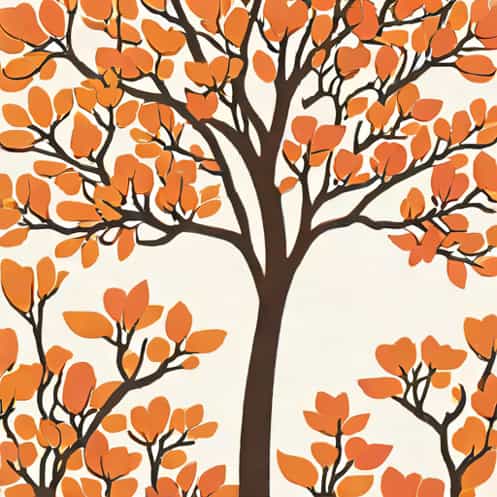
The phrase Ironwood on the Vermilion evokes images of resilience, strength, and striking natural beauty. Ironwood trees are known for their dense, durable timber and ability to withstand harsh conditions, while vermilion often refers to a rich, vibrant red hue, suggesting a dramatic and visually captivating setting. Together, this combination can symbolize a landscape where nature’s endurance meets intense color, whether referring to an actual location, artistic inspiration, or metaphorical expression. Exploring the characteristics of ironwood, the significance of vermilion, and the contexts in which this phrase is used provides insight into the interplay of natural elements and cultural interpretations, appealing to botanists, artists, and nature enthusiasts alike.
The Characteristics of Ironwood
Ironwood is not a single species but a term used for several trees known for exceptionally hard and dense wood. These trees are found in various parts of the world, from North America to Africa and Asia, and are prized for their strength and longevity. The wood’s durability makes it ideal for tool handles, furniture, and construction projects where resilience is essential.
Botanical Features
- Ironwood trees typically have slow growth, resulting in tight, dense grain patterns.
- They often exhibit thick bark and sturdy branches, capable of withstanding storms and environmental stress.
- Leaves may vary by species but commonly display simple, leathery textures suited to retaining moisture.
- Some ironwoods produce small flowers or fruits, contributing to local ecosystems by providing food for insects and birds.
Understanding these botanical features helps explain why ironwood is associated with resilience and durability, making it a symbol of strength in literature, art, and cultural references.
The Significance of Vermilion
Vermilion is a bright red pigment historically derived from cinnabar or synthesized chemically. It is widely used in painting, decoration, and textiles due to its bold, striking color. The color vermilion is often linked to passion, energy, and vitality, and when paired with natural elements like ironwood, it can evoke a sense of contrast between strength and vibrancy.
Symbolic Meanings
- In art, vermilion is used to draw attention, create focal points, and convey emotion.
- In cultural contexts, red shades often symbolize life, courage, or celebration.
- Vermilion contrasts with the earthy tones of ironwood, highlighting both color and texture.
The combination of ironwood and vermilion can therefore be interpreted as a meeting of resilience and vitality, strength and energy, or permanence and transience.
Interpreting Ironwood on the Vermilion in Nature
In natural landscapes, the phrase may describe a setting where robust trees grow against red-hued soils, rocks, or sunset-lit skies. Such imagery emphasizes both visual drama and ecological balance. Ironwood trees on vermilion-colored terrain create a striking contrast that appeals to photographers, painters, and travelers seeking unique natural scenes.
Ecological Context
- Ironwood trees often thrive in challenging environments, such as drylands or rocky soils.
- Vermilion-colored soils typically contain high levels of iron oxide, providing a vivid red backdrop for vegetation.
- The interaction between the trees and the colored landscape contributes to biodiversity, offering habitat for various species.
Appreciating these ecological dynamics helps observers understand the resilience of ironwood species and the beauty of contrasting natural colors in specific regions.
Artistic and Literary Applications
The phrase Ironwood on the Vermilion can also serve as inspiration for artists and writers. Painters may use it to depict contrasting textures and colors, while writers can evoke themes of endurance, conflict, or emotional intensity. By combining a symbol of strength with a vivid, attention-grabbing color, creators can communicate complex ideas and aesthetic appeal.
Visual Arts
- Artists might depict ironwood trees with dense, dark trunks set against bright red landscapes.
- Vermilion accents can enhance composition, creating focal points and dynamic visual tension.
- Mixed media works may use actual pigments or materials to highlight the interplay between durability and vibrancy.
Literature and Symbolism
In writing, the phrase may function metaphorically to represent endurance in the face of adversity, or the coexistence of stability and passion. Characters or settings described as ironwood on the vermilion might embody resilience within emotionally charged circumstances, offering readers layered interpretations of strength and vitality.
Practical Uses and Gardening Considerations
Ironwood species are also valued in horticulture and landscaping for their hardiness and aesthetic appeal. Planting ironwood trees in gardens or parks can provide structure and longevity, while selecting red or vermilion-toned features, such as mulch, flowers, or pathways, enhances visual contrast.
Planting Tips
- Choose well-drained soil and a location with adequate sunlight for optimal growth.
- Consider the slow growth rate of ironwood and plan spacing accordingly.
- Use complementary colors, including reds and warm tones, to accentuate the natural beauty of the tree.
- Prune carefully to maintain shape without damaging the dense wood.
By combining practical gardening strategies with aesthetic planning, gardeners can recreate the striking imagery suggested by the phrase Ironwood on the Vermilion in outdoor spaces.
Cultural and Regional Associations
In some regions, ironwood trees hold cultural significance, symbolizing longevity, resilience, or sacredness. Vermilion, meanwhile, has traditional uses in decoration, religious rituals, and art. Together, the combination of ironwood and vermilion may carry layered meanings, reflecting both natural beauty and cultural symbolism. This duality enriches interpretation and encourages appreciation of both ecological and human contexts.
Examples of Symbolic Use
- Artworks that depict ironwood trees against red landscapes may represent endurance amidst vibrant change.
- Literary references may use vermilion to evoke emotion or energy, contrasted with the solidity of ironwood to represent strength.
- Regional gardens or public spaces may intentionally use ironwood and red elements to create memorable visual impact.
Ironwood on the Vermilion combines elements of natural strength and vivid coloration, creating a phrase rich in visual, ecological, and symbolic significance. Ironwood trees, with their dense, resilient wood, stand as symbols of endurance and longevity, while vermilion provides a striking, energetic contrast. Together, they offer inspiration for gardeners, artists, writers, and nature enthusiasts, illustrating the power of color and form in both natural and creative contexts. Whether describing a literal landscape, an artistic composition, or a metaphorical concept, the imagery evokes durability, vitality, and the dynamic interplay of contrasting elements. Understanding the botanical characteristics of ironwood, the significance of vermilion, and the ways these elements interact in nature, art, and culture allows for deeper appreciation and creative application of this evocative combination, enhancing both observation and expression across multiple disciplines.