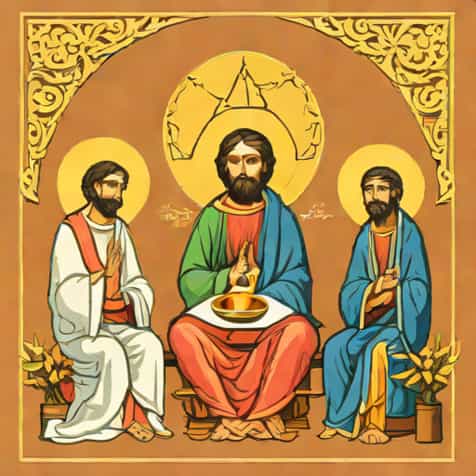
The solemnity of the Most Holy Trinity is a profound celebration in the Christian liturgical calendar, dedicated to honoring the mystery and majesty of one God in three persons the Father, the Son, and the Holy Spirit. This solemnity invites believers to reflect on the unity and diversity within the Godhead, emphasizing the relational and loving nature of God as revealed in Scripture and tradition. Observed on the Sunday following Pentecost, the feast encourages the faithful to contemplate theological truths, deepen their prayer life, and integrate the understanding of the Trinity into daily Christian living. The solemnity is marked by special prayers, liturgies, and readings that highlight the significance of the triune God in creation, redemption, and sanctification.
Theological Significance of the Trinity
The doctrine of the Trinity is central to Christian faith, articulating that God is one in essence yet exists eternally in three distinct persons. The Father, Son, and Holy Spirit are co-equal and co-eternal, sharing the same divine nature while performing unique roles in the divine plan. The solemnity of the Most Holy Trinity emphasizes this mystery, inviting believers to acknowledge the incomprehensible depth of God’s being. Understanding the Trinity is essential for grasping the foundations of Christian worship, prayer, and doctrine.
The Father
The Father is recognized as the source and origin of all creation. He is the loving and providential Creator who sustains the universe and guides human history according to divine wisdom. During the solemnity, readings and prayers often highlight the Father’s role in creation, emphasizing His omnipotence, mercy, and intimate involvement in the lives of the faithful.
The Son
The Son, Jesus Christ, is the incarnate Word who reveals God’s love and brings salvation to humanity. Through His life, death, and resurrection, the Son mediates the reconciliation between God and humankind. The solemnity of the Trinity underscores the Son’s unique role in redemption, reminding believers of the centrality of Christ’s mission and the significance of living in accordance with His teachings.
The Holy Spirit
The Holy Spirit is the sanctifier and sustainer of the Church, guiding believers into truth, inspiring faith, and empowering acts of love and service. On the solemnity of the Most Holy Trinity, the Spirit’s role is celebrated as the divine presence within the hearts of the faithful, enabling spiritual growth and union with God. The Spirit also unites the Church in worship, fellowship, and mission.
Liturgical Observances
The solemnity of the Most Holy Trinity is observed with particular liturgical elements that enhance the contemplative and celebratory nature of the feast. Churches often use special prayers, hymns, and Scripture readings that highlight the mystery and majesty of the triune God. The liturgy encourages active participation and reflection on the Trinity’s role in salvation history and personal spiritual life.
Scripture Readings
Readings during the solemnity often include passages that reveal the triune nature of God. Typical selections may include texts from the Gospel of Matthew, emphasizing the baptismal formula in the name of the Father, and of the Son, and of the Holy Spirit, as well as other scriptural passages that illustrate God’s actions as Creator, Redeemer, and Sanctifier. These readings provide theological depth and spiritual insight for the faithful.
Prayers and Hymns
Prayers and hymns dedicated to the Trinity focus on adoration, praise, and thanksgiving. Believers are invited to express reverence for the unity and distinctiveness of the divine persons. Liturgical chants and hymns often emphasize themes of love, mercy, and divine guidance, reinforcing the contemplative and celebratory character of the solemnity.
Symbols and Rituals
Certain symbols are associated with the solemnity, including the triangle, representing the three persons of the Trinity, and the dove, symbolizing the Holy Spirit. Ritual gestures, such as making the sign of the cross, serve as tangible reminders of the triune nature of God and help the faithful internalize theological truths through physical expression.
Spiritual Reflection and Personal Application
The solemnity of the Most Holy Trinity offers an opportunity for personal reflection and spiritual growth. Believers are encouraged to contemplate the relational nature of God, recognizing how the unity and love within the Trinity can inspire human relationships. This feast calls Christians to imitate divine love, seek deeper communion with God, and cultivate virtues such as humility, charity, and obedience.
Prayer Life
During this solemnity, special emphasis is placed on prayer directed to the three persons of the Trinity. Prayers may involve adoration of the Father, thanksgiving for the gift of the Son, and invocation of the Holy Spirit for guidance and strength. Incorporating Trinitarian prayer into daily life helps believers deepen their understanding of God’s presence and action in their lives.
Integration into Daily Living
Reflecting on the Trinity’s unity and diversity encourages Christians to foster harmony and cooperation in family, community, and Church life. By meditating on God’s relational nature, believers can strive to cultivate love, patience, and mutual respect in human interactions. The solemnity serves as a reminder that divine principles can guide ethical and moral decisions in everyday circumstances.
Historical Development of the Solemnity
The solemnity of the Most Holy Trinity has a rich historical tradition in the Church. It was established to focus the faithful’s attention on the mystery of the triune God, distinct from other feasts celebrating individual persons of the Trinity or aspects of salvation. Over time, the feast has evolved to include specific liturgical practices, prayers, and hymns that highlight theological reflection, public worship, and catechesis.
Origins and Establishment
The feast of the Trinity became widely recognized in the Western Church during the Middle Ages, gradually gaining liturgical prominence. It was officially included in the general Roman calendar and designated to occur on the Sunday after Pentecost. This timing links the celebration of the Trinity with the outpouring of the Holy Spirit and the completion of the Easter season, emphasizing the unity and collaboration of the divine persons in salvation history.
Role in Catechesis
The solemnity has also served as a tool for catechesis, teaching the faithful about the nature of God and the relationships within the Trinity. Through Scripture readings, homilies, and liturgical symbolism, believers are educated about foundational Christian doctrines, fostering understanding and devotion. This aspect highlights the feast’s dual role in both worship and instruction.
The solemnity of the Most Holy Trinity is a central celebration in the Christian calendar that honors the mystery, unity, and relational love of the triune God. By focusing on the Father, Son, and Holy Spirit, the feast provides opportunities for theological reflection, liturgical participation, and personal spiritual growth. Observed with special prayers, Scripture readings, hymns, and symbols, the solemnity encourages believers to integrate the understanding of the Trinity into daily life, fostering love, unity, and devotion. Historically, the feast has played a significant role in catechesis and worship, emphasizing the foundational Christian belief in one God in three persons. Ultimately, the solemnity of the Most Holy Trinity invites all faithful to contemplate the depth of divine mystery, celebrate God’s majesty, and live in imitation of the unity and love inherent in the triune nature of God.