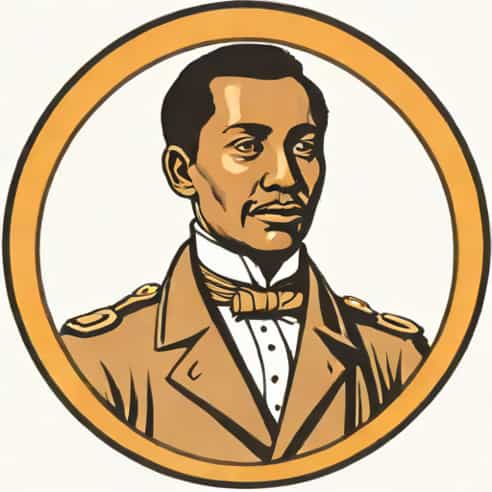
James Armistead, often recognized for his extraordinary role during the American Revolutionary War, is sometimes referred to as the son of Crispus Attucks, though historical records about their direct relationship remain debated among scholars. Regardless of lineage, James Armistead’s life is a remarkable story of courage, intelligence, and the fight for freedom. Born into slavery in Virginia in the mid-18th century, Armistead would rise to become a key figure in the intelligence network supporting the American cause, demonstrating how individual bravery and strategic thinking could influence the outcome of pivotal historical events.
Early Life and Background
James Armistead was born around 1748 in New Kent County, Virginia, into a life constrained by slavery. Some accounts suggest a connection to Crispus Attucks, the African American man whose death in the Boston Massacre made him the first martyr of the American Revolution. Though direct evidence of a father-son relationship is sparse, the idea highlights the shared experiences of African Americans during this era, including the struggle for freedom and recognition. Armistead’s early life was shaped by the hardships of enslavement, yet he displayed remarkable resilience and resourcefulness that would define his later contributions to the Revolutionary War effort.
Education and Skills
Despite the limitations imposed by slavery, James Armistead developed essential skills that would later prove invaluable. While formal education was largely inaccessible, he acquired practical knowledge, an understanding of human behavior, and the ability to navigate complex social networks. These skills enabled him to operate as a spy and gather critical intelligence, demonstrating that resourcefulness and courage can thrive even under oppressive conditions.
James Armistead’s Role in the American Revolution
During the American Revolution, James Armistead volunteered to serve with the Marquis de Lafayette, a French officer supporting the American colonies. Lafayette recognized Armistead’s potential and assigned him a crucial task infiltrating British forces and providing intelligence to the American side. Armistead adopted the role of a double agent, gaining the trust of British commanders, including General Cornwallis, and reporting back valuable information to Lafayette and other American leaders.
Espionage and Intelligence Gathering
James Armistead’s work as a spy involved considerable risk. He traveled behind enemy lines, attended meetings, and relayed sensitive information without detection. His intelligence reports included troop movements, strategic plans, and other critical details that informed American military decisions. Armistead’s bravery and discretion were instrumental in weakening British positions and providing the American forces with a tactical advantage, ultimately contributing to the success of the Revolution.
Impact on the Siege of Yorktown
One of Armistead’s most notable contributions occurred during the Siege of Yorktown in 1781. His intelligence helped Lafayette and General George Washington coordinate their strategies, leading to a decisive victory against British forces. By providing accurate information about enemy positions and movements, Armistead enabled the Americans and their French allies to plan an effective siege, ultimately forcing Cornwallis to surrender. This victory marked a turning point in the war and demonstrated the critical importance of espionage in military strategy.
Challenges and Recognition
After the war, James Armistead faced significant challenges despite his heroic contributions. As an enslaved person, he could not immediately claim freedom or receive recognition for his service. He petitioned the Virginia legislature for emancipation, and with support from Marquis de Lafayette, he was granted freedom in 1787. Armistead later adopted the surname Lafayette in honor of his benefactor, becoming James Armistead Lafayette.
Legacy and Historical Importance
James Armistead Lafayette’s story is a powerful example of courage, intelligence, and resilience. His contributions highlight the essential role that African Americans played in the Revolutionary War, often without the acknowledgment they deserved. Today, Armistead is celebrated for his strategic brilliance, dedication to the cause of independence, and enduring legacy as one of America’s first African American spies. His life reminds us of the critical importance of recognizing diverse contributions to history and the fight for freedom.
Personal Life and Later Years
After gaining his freedom, James Armistead Lafayette returned to Virginia, married, and raised a family. He became a landowner and lived a relatively quiet life, contributing to his community while preserving the memory of his wartime achievements. His story has been passed down through historical records, scholarly studies, and public commemorations, ensuring that his bravery and service continue to inspire future generations.
Commemoration and Recognition
- James Armistead Lafayette has been honored in historical texts, documentaries, and public exhibits.
- Schools and institutions have recognized his contributions to American independence.
- His story is included in studies of African American history and the Revolutionary War, highlighting his role as a key figure in espionage.
James Armistead, sometimes referred to as the son of Crispus Attucks, represents a remarkable story of bravery, intelligence, and perseverance. Born into slavery, he rose to become a critical spy for the American Revolution, contributing significantly to the success of the Siege of Yorktown and the eventual independence of the United States. Despite the challenges he faced after the war, including securing his freedom, Armistead’s legacy endures as a symbol of courage and strategic brilliance. His life reminds us of the often-overlooked contributions of African Americans in shaping the course of history and the enduring importance of recognizing and celebrating their achievements.