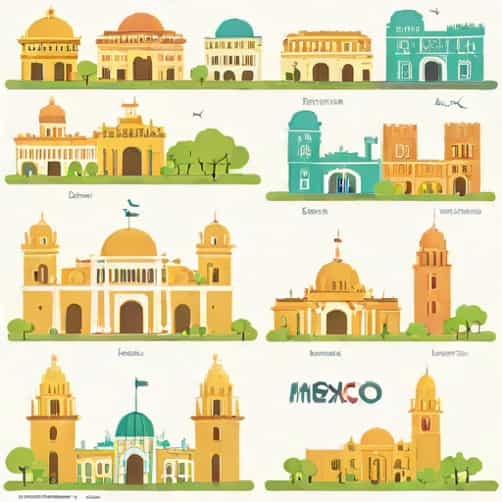
Mexico is a vibrant country known for its rich culture, diverse geography, and bustling cities. From coastal towns to historic capitals, the urban centers of Mexico offer a wide range of experiences for travelers, residents, and businesses. Knowing about these cities in alphabetical order can help students, tourists, and researchers navigate the country more effectively. Alphabetical listings are especially useful for organizing information, planning travel itineraries, and understanding the geographical distribution of Mexico’s population. Each city has its own unique characteristics, history, and attractions that contribute to the overall identity of the nation.
A – D Cities in Mexico
Mexico has several cities that start with the letters A through D, each offering unique cultural and economic significance. Among the prominent cities
- Acapulco – A famous coastal city known for its beaches and tourism.
- Aguascalientes – Renowned for its festivals and industrial growth.
- Campeche – A historic city with colonial architecture and fortified walls.
- Canc̼n РA world-famous tourist destination with pristine beaches and resorts.
- Chihuahua – The capital of the Chihuahua state, known for its desert landscapes.
- Ciudad Juárez – A major border city with strong trade and manufacturing sectors.
- Ciudad de México – Also known as Mexico City, it is the capital and largest city.
- Durango – Known for its rich history, silver mining, and film production locations.
E – H Cities in Mexico
Continuing alphabetically, Mexico includes cities from E to H that are notable for their cultural and economic contributions
- Ensenada – A coastal city in Baja California famous for wine production and marine tourism.
- Guanajuato – A UNESCO World Heritage city with colorful streets and rich mining history.
- Guadalajara – Known as Mexico’s cultural hub and a center for technology and industry.
- Hermosillo – The capital of Sonora, known for its hot climate and industrial development.
I – L Cities in Mexico
The cities starting with I to L also hold significance in terms of history, tourism, and local economies
- Irapuato – Famous for its strawberry production and agricultural industry.
- La Paz – Capital of Baja California Sur, known for its coastal beauty and marine wildlife.
- León – A major industrial city, particularly known for leather goods.
- Los Mochis – An important agricultural and transportation hub in Sinaloa.
M – P Cities in Mexico
Cities from M to P in Mexico range from coastal resorts to historic towns, reflecting the diversity of the country
- Monterrey – A major business and industrial center with modern infrastructure.
- Morelia – Known for its colonial architecture and rich cultural heritage.
- Mérida – The capital of Yucatán, celebrated for Mayan history and cuisine.
- Mexicali – A key border city with industrial significance and cultural exchanges.
- Oaxaca – Famous for its indigenous cultures, cuisine, and arts.
- Orizaba – A historic city in Veracruz surrounded by mountains.
- Puebla – Known for colonial architecture, culinary traditions, and industrial activities.
- Playa del Carmen – A popular tourist destination along the Riviera Maya.
Q – T Cities in Mexico
Even cities starting with Q to T play an important role in Mexico’s urban landscape, culture, and economy
- Querétaro – A fast-growing city known for its aerospace industry and historical center.
- Saltillo – A city famous for its industrial base and cultural heritage.
- San Luis Potosà – Known for mining history and growing manufacturing sector.
- Tapachula – Located near the Guatemalan border, important for trade and agriculture.
- Tequila – The birthplace of the world-famous beverage, with a rich agave culture.
- Tijuana – A bustling border city famous for commerce, tourism, and cultural diversity.
U – Z Cities in Mexico
The final set of cities from U to Z completes the alphabetical overview, showcasing Mexico’s regional variety
- Uruapan – Known for its lush landscapes and avocado production.
- Veracruz – A historic port city with a rich cultural and musical heritage.
- Villahermosa – The capital of Tabasco, important for oil and energy industries.
- Zacatecas – A city recognized for its colonial architecture and silver mining history.
- Zapopan – Part of the Guadalajara metropolitan area, known for commerce and cultural festivals.
Importance of Alphabetical Listings
Organizing Mexican cities in alphabetical order is more than a simple exercise in listing; it helps with navigation, learning, and research. Students studying geography or history can use alphabetical lists to memorize cities more easily. Tourists and travel planners benefit by quickly locating destinations and understanding regional connections. Researchers and businesses can also use these lists to analyze population trends, economic activities, and urban development patterns across different states. By arranging cities alphabetically, users gain a clear and structured overview of Mexico’s complex and diverse urban landscape.
Mexico’s cities, ranging from small towns to major metropolises, reflect the country’s rich culture, history, and economic diversity. Listing them in alphabetical order not only makes it easier to reference and learn about them, but also highlights the wide variety of experiences available across the country. From the beaches of Cancún and Acapulco to the cultural hubs of Guadalajara and Mexico City, each city contributes uniquely to Mexico’s identity. Understanding these cities alphabetically provides an organized perspective, helping travelers, students, and researchers navigate the nation efficiently. The alphabetical approach also allows for better planning, education, and appreciation of Mexico’s urban richness, making it an essential tool for anyone interested in exploring or studying the country.