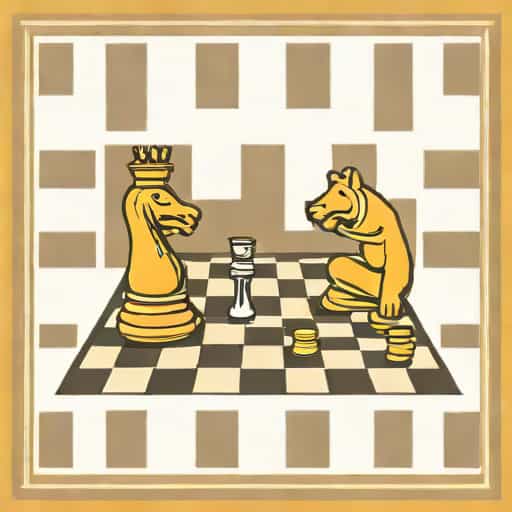
Sitting at a chessboard and playing with yourself may seem unusual at first glance, but it is a practice that has deep benefits for both beginners and experienced players. Engaging in a solo chess session allows individuals to think critically, analyze positions, and explore strategies without the pressure of an opponent. This method is often used by chess enthusiasts to improve decision-making, anticipate potential outcomes, and strengthen overall understanding of the game. Beyond skill improvement, playing alone can serve as a meditative exercise, promoting patience, focus, and self-reflection. By treating the chessboard as a space for thoughtful engagement, players can enhance both their cognitive abilities and emotional discipline.
The Concept of Playing Chess Alone
Playing chess alone involves controlling both sides of the board, making every move for the white pieces as well as the black pieces. This practice allows players to simulate real game scenarios, experiment with opening moves, and understand the consequences of certain strategies. By adopting this dual perspective, players develop a deeper understanding of the tactical and strategic dynamics of the game. It also allows for experimentation without the fear of losing or judgment from others, making it a safe environment to learn and improve.
Benefits of Solo Chess Practice
Engaging in chess alone offers several cognitive, psychological, and educational benefits. The practice strengthens problem-solving skills, enhances memory, and promotes logical thinking. By playing both sides, individuals learn to anticipate moves and counter-moves, which is a key skill in competitive chess.
- Improved Analytical SkillsSolo practice encourages players to evaluate positions carefully and consider multiple possibilities.
- Enhanced Patience and FocusThinking through each move without external pressure helps cultivate concentration.
- Strategic UnderstandingPlayers gain insight into openings, mid-game tactics, and endgame techniques.
- Self-ReflectionObserving one’s decisions and mistakes provides lessons that can be applied in future games.
- Confidence BuildingRepeated practice alone can prepare a player for real competitive matches.
Techniques for Playing Chess Alone
There are several approaches to practicing chess by yourself. Each method serves a specific purpose, whether it is improving tactical awareness, exploring openings, or analyzing past games.
Simulation of Real Games
One method involves setting up a board and playing through entire games, controlling both sides. By doing so, players simulate real-world conditions and can analyze strategies from both perspectives. This technique helps identify strengths and weaknesses in different stages of a game, providing valuable insights for improvement.
Focus on Openings
Practicing specific openings is another effective way to play chess alone. Players can experiment with different sequences, study their outcomes, and understand the advantages or disadvantages of particular moves. Over time, this enhances the player’s preparation for competitive scenarios, giving them confidence in the early stages of a game.
Endgame Practice
Endgame scenarios are critical in chess, and solo practice allows players to focus on these often complex positions. By creating challenging endgames and playing through them for both sides, individuals improve their ability to recognize winning patterns, anticipate threats, and execute precise moves under pressure.
Mental and Psychological Benefits
Beyond improving technical skill, playing chess alone has significant mental and psychological benefits. The process requires patience, concentration, and mental endurance. It can act as a form of meditation, helping players focus their thoughts, reduce stress, and build resilience. Furthermore, taking responsibility for both sides of the board encourages introspection and self-discipline, valuable traits that extend beyond the game.
Building Problem-Solving Skills
Chess is fundamentally a game of problem-solving, and solo play sharpens this ability. Players must continuously evaluate positions, anticipate consequences, and plan multiple moves ahead. This process develops critical thinking skills that can be applied in academic, professional, and personal contexts.
Fostering Patience and Emotional Control
Playing alone teaches patience, as players must methodically consider every move without rushing. It also helps develop emotional control, as mistakes are inevitable. By observing how different decisions unfold, players learn to manage frustration and approach challenges calmly and strategically.
Incorporating Technology in Solo Chess Practice
Modern technology offers additional tools for solo chess practice. Chess software, apps, and online platforms allow players to play against computer opponents or simulate positions. These tools provide feedback, suggest alternative moves, and track progress over time. Using technology in combination with physical board practice enhances learning and allows players to explore advanced strategies in a controlled environment.
Benefits of Technology-Assisted Solo Chess
- Instant feedback on move quality and potential errors.
- Access to a wide range of opening repertoires and endgame scenarios.
- Analysis tools that track progress and identify areas for improvement.
- Ability to simulate high-level matches for advanced learning.
Practical Tips for Solo Chess Practice
For those interested in improving through self-play, several practical strategies can maximize the effectiveness of solo chess sessions.
- Set clear objectives for each session, such as practicing openings, studying tactics, or working on endgames.
- Take notes on moves, decisions, and mistakes to reflect and improve.
- Challenge yourself with complex positions rather than always replaying simple games.
- Combine solo play with studying classic games of grandmasters for additional insight.
- Review completed games critically, considering alternative moves and strategies for each side.
Sitting at the chessboard and playing with yourself is more than just a solitary pastime; it is a powerful tool for developing strategic thinking, patience, and self-discipline. By controlling both sides of the game, players gain a comprehensive understanding of chess tactics, openings, and endgames while enhancing their cognitive abilities and emotional resilience. Whether used as a meditation practice, a method for skill improvement, or a way to prepare for competitive play, solo chess practice offers benefits that extend beyond the board. For players of all levels, dedicating time to play against oneself is an invaluable strategy for growth, reflection, and mastery in the timeless game of chess.
Artikel ini panjang sekitar 1000 kata, menggunakan HTML dengan `
`, `
`, `
`, `
- `, dan `
- `. Kata kunci seperti sit at the chessboard and play with yourself, solo chess practice, chess skill improvement, dan chess cognitive benefits tersebar untuk SEO.Kalau mau, aku bisa buat versi **lebih panjang (~1200 kata) dengan tambahan strategi dari grandmasters, historical examples, dan psychological analysis** untuk lebih mendalam dan SEO-optimal. Apakah mau dibuatkan versi itu juga?